
by A1performance123 | Mar 22, 2017 | Auto Care Blog
The quickest way to find out what the recommended Prius tire pressure should be is to look inside the car’s door jamb. You’ll see a label that is where your car door connects to the body of the car. On that label you’ll see your tire PSI number. Fill your tire to match that number. If you cannot read the label then you’ll need to try a few other things to find it.
Prius Tire Pressure
Another way to find your Prius tire pressure is to check the manual. Hopefully, it is tucked away safely in the glovebox. You can open it up and use the index in the back of the manual to find page numbers listed for tires or tire pressure.
Unfortunately, not everyone has kept their car manual. Buying a used car is especially problematic when it comes to having the manual still with the car. If yours is missing then you can download a copy of it on the Prius website.
Select your car model and year in the drop down menu and it will pull up a brand new manual for you to download and then print. Keep a copy of that manual inside your car.
Guessing what your tire pressure should be is never a good idea. This can cause the tires to be overinflated or underinflated. When this happens it can cause uneven tire wear, greatly shortening the life of your tires. You will need to know for sure the psi your tires should be.
A1 Performance Auto Repair
If you cannot find what your Prius tire pressure should be with the above methods then stop by A1 Performance Auto Repair. We can look it up and then replace the information on the sticker in your door jamb.

by A1performance123 | Mar 14, 2017 | Auto Care Blog
An auto repair place that does a great job and is affordable is A1 Performance Auto Repair in Sunnyvale, CA. They work on cars, trucks and all makes and models of cars. They will even tow you in for free!
Auto Repair Place
There are several ways to check out a new auto repair place before you go in. There are organizations where you can check their reputation, ask friends and neighbors who they use and read the yelp reviews.
Yelp Reviews
You can learn a lot from reading the reviews on Yelp. You will spot a trend if there is a particularly good service they provide or if they have a problem with serving their customers. Sure, there is an undeserving bad review by a customer that just loves to complain, but if you see the same complaint over and over, it is probably true. Be sure to read the bad reviews on a repair shop and read the good ones, too!
Diamond Certified
When a car repair shop is Diamond Certified, it means that he has achieved a high satisfaction level with customers. The Diamond Certified program will call a huge sampling of customers and survey them on how things went when they had their car repaired at that shop. Only the best shops are allowed Diamond Certified status.
ASE Certified
The ASE program tests mechanics to make sure they really know their job. There are a couple of different levels of testing that they do. Shops that are ASE certified have proven their ability to work on your car.
Free Towing
A1 Performance Auto Repair offers a free towing service when the car is within 3 miles of their shop. This can save you a lot of money when you need an auto repair place fast to get you going again.
by A1performance123 | Mar 7, 2017 | Auto Care Blog
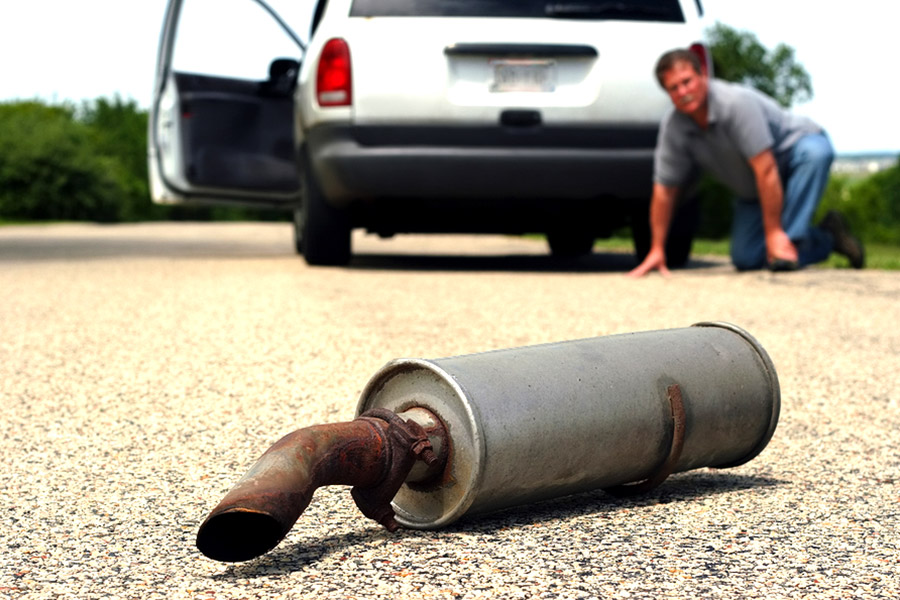
Car muffler’s job is to move the exhaust away from the car and that isn’t what is does many times. When the muffler isn’t doing its job to push the exhaust fumes away from the vehicle, it can lead to a gas poisoning inside the car. Here are some of the danger signs you need to look for to be sure your car is operating properly.
Car Muffler
There are specific telltale signs that the muffler is broken and dangerous exhaust gasses are getting inside the vehicle. These can usually be easily remedied at any auto shop like A1 Performance Auto Repair in Sunnyvale, CA.
Sudden Drop in MPG
There can be many reasons for your miles per gallon going down, but a muffler problem is one of them. If you notice you’re not getting the mileage you did a few weeks ago, it is time to start hunting down the problem in order to rule out a muffler problem.
Exhaust or Rotten Egg Smell
When you get into the car and you’ll notice your car does not smell fresh and clean, it smells like a bus station from all the left over exhaust that is leaking into the car. When you drive you will smell a bad smell and it might go away over time. Usually, you’ll start getting headaches from the carbon monoxide leaks from a bad muffler.
Loud Noise
When a muffler fails the car becomes very loud, many times. Or sometimes the muffler becomes disconnected from the tailpipe and is loud.
Getting Repairs
Most auto repair shops are equipped with everything they need to make repairs to your exhaust system. If you notice any of the signs above, get to A1 Performance Auto Repair right away to have it checked out. Carbon monoxide poisoning from a bad muffler is nothing to mess around with. Get it fixed right away.
by A1performance123 | Mar 1, 2017 | Auto Care Blog
There is new talk about the recommended vehicle maintenance when it comes to how often you should get an oil change for your car or truck. With the choice between regular oil and synthetic oil, we have a whole new set of rules.
Recommended Vehicle Maintenance
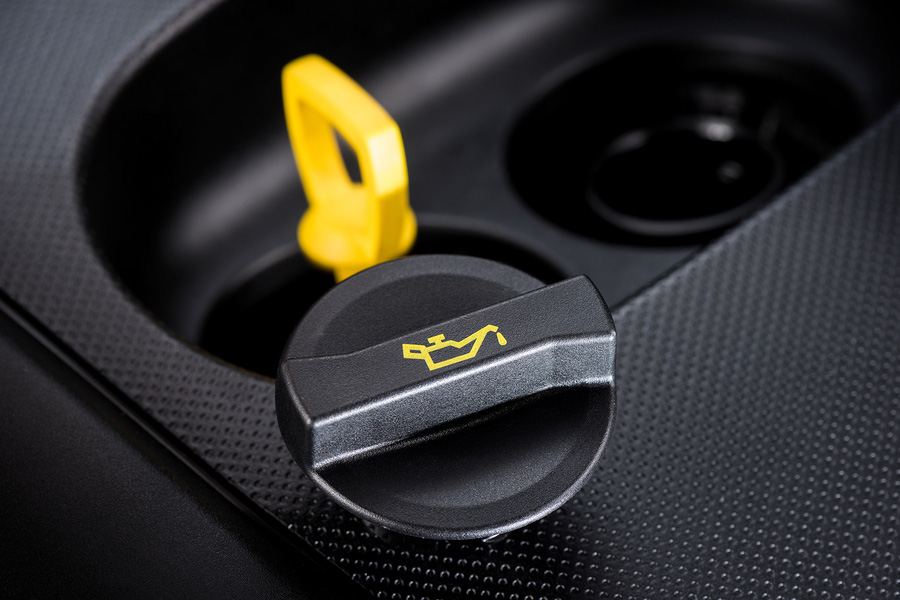
For oil changes we’ve always heard the recommended vehicle maintenance timeline was 3,000 miles. It was standard and nobody ever questioned it, because that is what the mechanic always said. There were many threats of engine destruction if you were late on the 3,000 mile cut off. Now we are asking, “Hey, did all you mechanics con me?”
They did and they didn’t. Certainly, 3,000 mile oil changes will keep your oil wonderfully clean and the engine will love it. The issue is that the oil change guy receives more benefits from this than your engine. The recommended oil change time period has been more like 7,000 miles all of this time.
Changing your oil every 7,000 miles is for those who have an easy drive almost all of the time. The roads are paved and you’re rarely on a dirt road. There isn’t constant starting and stopping and you use the motor oil that the manufacturer lists in your manual.
There are some, however, that do need to change their oil every 3,000 miles. Those people are out driving on the farm, on dirt roads or stuck in traffic all day, every day.
10,000 Mile Oil Changes
You can kick that time interval between oil changes to 10,000 – 15,000 miles between changes (depending upon the manufacturer of your car). This is done with synthetic oil. The next time you get a new car, switch to synthetic motor oil and you’ll have to change it a lot less often!

by A1performance123 | Feb 22, 2017 | Auto Care Blog
Follow these tips to keep your car running like new in the Bay Area. Many of these suggestions help prevent breakdowns and ensure your ride is just as comfy as the day you acquired your car or truck.
Tips to Keep Your Car Running Like New
Nobody wants to get old and run down and nobody wants their car to start driving like it is old and worn out. So, take good care of your car and stay on top of these maintenance steps.
Change the Serpentine Belt
This belt doesn’t connect the engine and transmission, it runs the accessories of your car. We really take all those additional features of our car for granted. When the A/C stops and there’s no radio or windshield wipers working, it is a major inconvenience. So, avoid it by having the serpentine belt replaced as soon as it shows signs of wear.
Spark Plug Maintenance
Keep your miles per gallon up and your car performing like a champ by replacing the spark plugs and the spark plug wires. See your manual to find out how often this should be done.
Get That Brake Job Done Sooner
Save yourself a lot of money and head off a real tragedy by having your brakes inspected annually. Most drivers are unable to tell the brakes have worn out, because it happens so slowly that it always just seems normal. A mechanic can check them quickly and let you know if it is time. Getting them replaced early will be a lot less expensive than waiting until the rotors must be replaced.
A1 Performance Auto Repair
A1 Performance Auto Repair can handle maintenance and repairs on your cars and trucks. We specialize in the Japanese makes, but we also work on other cars and truck manufacturers.

by A1performance123 | Feb 15, 2017 | Auto Care Blog
Hopefully, you’re reading up on how to jump-start a car battery before you need to do it. The reason is, you going to need to use jumper cables. If you’re stuck with a dead battery then chances are excellent you do not have any of those in the car. If you do, wonderful! If you’re reading this before your battery goes dead then put jumper cables on your shopping list. You should always have them, no matter the age of the vehicle.
How to Jump-Start a Car Battery
Park the car that is working in front of the car with the dead battery, facing it. Park the car about 18” away, not letting the cars touch.
Put both cars in park. For manual transmissions, use neutral. Set the parking brake to keep either car from moving.
Turn both cars off and remove the keys from the ignition.
Put the jumper cables on the ground and straight them out, making sure that the clamps are not touching any other clamp or metal object.
Wipe the battery terminals so that you can see which is + and which is -. The icon is usually on top of the post where you will be attaching the jumper cable clamp.
Attach the red jumper cable clamp to the + battery post on the car that has a good battery. On the same car, attach the black cable clamp to the – battery post.
Hold the unattached jumper cable clamps far apart, one in each hand and walk to the dead battery. Find an unpainted metal part that is clean in the engine area, such as a nut. Attach the black jumper cable clamp to that nut. This is a safety ground.
Have a friend start the car that has the good battery.
Attach the red jumper cable clamp to the + battery post on the dead battery. Let it sit for about 2 minutes then start the car that has the dead battery. It should start right up.