by A1performance123 | Jul 15, 2015 | Auto Care Blog
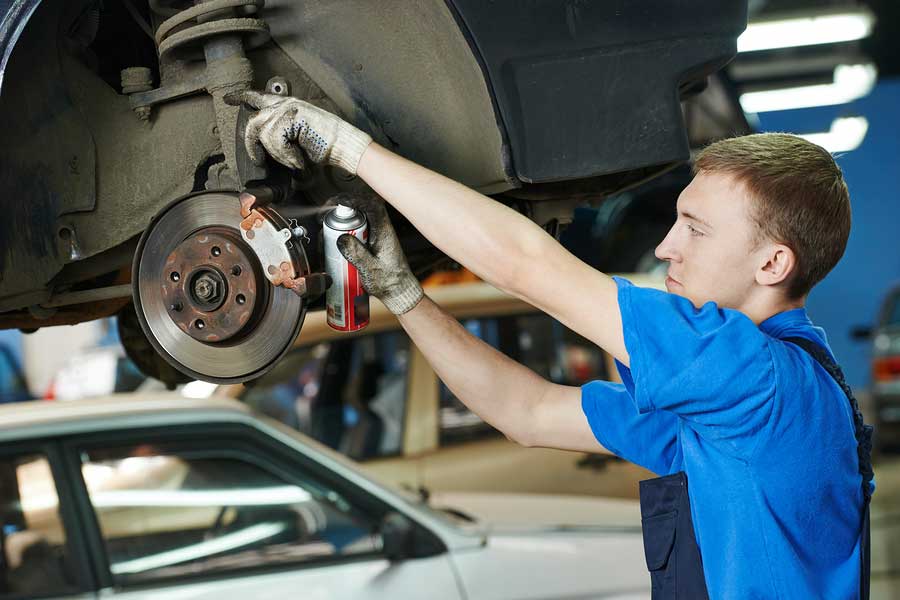
An unplanned auto repair can be very costly. Many times, you can avoid having to take your car to the mechanic by doing a few things yourself! Here are some helpful tips on how to save money with your car and hopefully, avoid having to have an emergency auto repair.
Auto Repair
Talk about inconvenience! When it is time to take the car in for an emergency auto repair, will it be a convenient time? NO! This never happens when you do not need the car. It usually happens when you are in the car and in a hurry to get somewhere. Here are some tips on things you can do to save money and avoid costly repairs on your car.
Car Battery
Clean the battery terminals with a mixture of baking soda and water to remove corrosive build up. If your terminals are too far gone and are sort of cemented in now, have your mechanic change them. You will get longer life from your battery.
Oil Changes
Most people only need to change their oil once every 7,500 miles. Check your car’s manual to see how often the manufacturer recommends. If you drive on dusty roads or drive only in stop and start city traffic then you will need to change it every 3,000 miles.
Tires
Make sure your tires have good tread and replace them when it is convenient for you instead of waiting for a blow out on the road. Check the tire pressure every fill up to make sure it is what the manufacturer recommends. You’ll get much better gas mileage with the proper tire pressure and likely save yourself from an auto repair.
Save Money
Be good to your car and your car will be good to you. You will always save money and also save having to have an unscheduled auto repair when you keep an eye on your car and plan ahead for auto maintenance.

by A1performance123 | Jun 24, 2015 | Auto Care Blog
When you start using a new auto shop, would you know if they are scamming you? Many people don’t know they’ve been taken advantage of by a mechanic and some of these scamming auto repair places are experts at padding bills and worse.
Auto Shop
There are a lot of signs that spell out a scam. There are many ways to grab a customer’s money, so be aware of these common ways to scam an auto repair customer.
1. Lack of Certifications in the Window:
An Auto Shop with a great reputation almost always has mechanics that are certified by ASE or another testing agency. If there are no certification stickers on the windows, you might want to pass.
2. Scared into Submission:
If the mechanic adds a lot of drama when explaining what is wrong with your car then it should be a red flag to you. Likely, your car will make it if you “drive another mile.”
3. Mr. Nice Guy:
He repaired something for free that you did not see him do and the mechanic says you need a repair. Being told your rear tire on your passenger side was low pressure and should be replaced immediately is a common trick. If you are in the driver’s seat, you can’t see what he’s doing back there.
4. Just Sign This Blank Form:
As always, never sign a blank authorization form. If you sign it and it is filled out later, you might inadvertently authorize a $5,000 “repair.” Always take the time to read what you are signing, especially if they are trying to rush you.
Find an Honest Auto Shop
You have to do some research to find a good, reputable auto shop. The best way to do it is to ask your friends who they like, then look for certifications when you go in.

by A1performance123 | Jun 17, 2015 | Auto Care Blog
Sure, if you can get around the California DMV smog requirements, you sure would like to, right? Well, getting that smog certification isn’t always required. There are some circumstances and some vehicles that are exempt from the rule right now.
California Smog
The smog from California’s highways became so thick in the air that California started requiring that all autos must be certified that they are operating properly. This became known as “getting your car smogged.” You have to take your car to your mechanic or a “Smog Station” to have your car tested and certified. This smog certificate is then turned into the DMV when you register your vehicle. You need to do this every other year.
Exemptions to the Smog Testing Rule
There are some situations where you do not have to go through the California smog procedure. Here are some exemptions to the rule:
- Motorcycles
- Electric Vehicles
- Natural Gas Vehicles over 14,000 Pounds
- Diesel Vehicles 1997 and before and over 14,000 Pounds
- New Cars up to Six Years Old
- Cars Manufactured in 1975 and Before
Where to Get a Smog Certification
You need to go to a Star Station to get your automobile tested and certified. You will need to do this every other year and include the certification with your car registration when you renew.
How to Avoid the Smog Rules
The best way to get around California smog requirements and laws is to buy a car that was manufactured in 1975 or before. These cars are exempt from these regulations and you register them as normal. You just don’t have to get the smog certification in order to renew your registration. So, drive your 1957 T-Bird past the Star Station and wave, because you never have to stop in to say hello in person. For more information on California’s Smog Laws, go to their smog website.
by A1performance123 | Jun 10, 2015 | Auto Care Blog
Since 1972, the National Institute for Automotive Service Excellence (ASE) has been testing and certifying auto mechanics. They are a not-for-profit certification company whose goal is to keep the automotive industry offering improved skills and services for consumers. When a mechanic is good enough to pass this rigorous testing, they proudly display the ASE Blue Seal logo in their auto shop.
ASE Blue Seal
The ASE Blue Seal assures the car owner that their mechanic has passed the ASE Blue Seal certification testing. In addition to the testing, the auto mechanic must have at least two years of on the job training in an auto shop, or one year of on the job training with a 2-year degree in automotive repair. In addition, the ASE requires that the mechanic retest and pass the certification process every five years.
The testing that ASE creates is a series of tests that are developed by a group of experts. These experts are from various automotive industries. Some of the experts are from auto manufacturers, some are mechanics, and some are aftermarket manufacturers. This group of experts collaborates to create a collection of 40 different exams that test a mechanic’s skill and knowledge. The exams are tough and one out of three mechanics fail. These exams do a great job of discerning the mechanic’s skill and knowledge.
Finding a Good Mechanic
Looking for the ASE Blue Seal makes finding a mechanic so much easier. You know that the mechanic displaying this seal is a very knowledgeable mechanic and will have the skills required to figure out just about any automotive problem you might bring in. Of course, knowledge alone isn’t the only factor to look for. You also want someone who is honest and that runs a convenient and efficient shop.
by A1performance123 | Jun 3, 2015 | Auto Care Blog
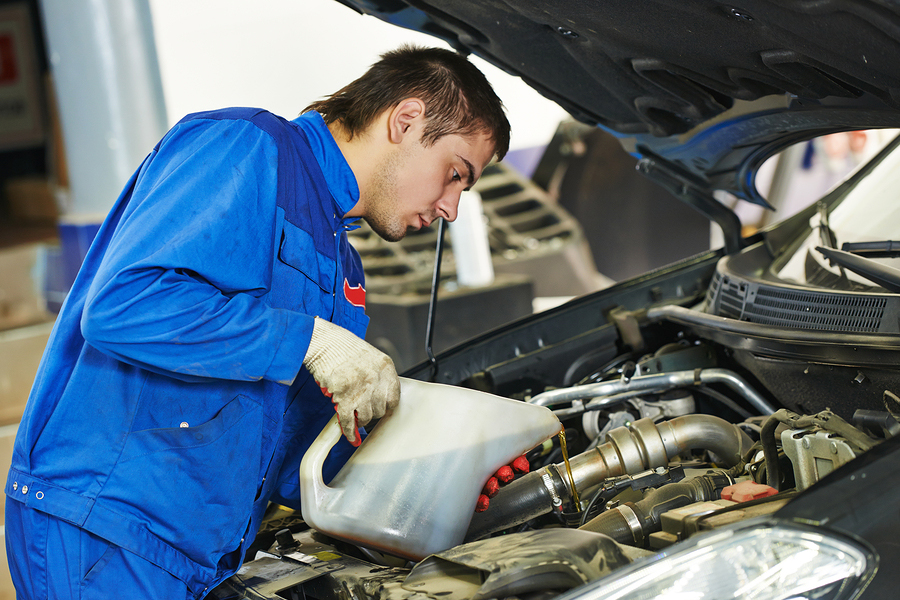
Your car maintenance schedule should be driven by your car’s manual. There is a lot of helpful information in that manual and it should be used for more than filling up your glove compartment. Crack it open, enjoy its new book smell and spend some time browsing it. You will learn all about when you’re supposed to be rotating the tires, changing the oil and having your belts replaced. However, there are times your mechanic knows best.
Car Maintenance Schedule
The car maintenance schedule that you follow should be the one your trusted mechanic suggests. The manual will give you general guidelines that will tell you when to plan to take care of certain maintenances, but your mechanic has the final say on when the task should be completed. The reason that your mechanic will override the manual is that your mechanic knows how you drive and in what conditions. There are many factors that are unique to you that the manufacturer is unable to take into account.
So, the manual might tell you to change your oil every 10,000 miles and the air filter every 45,000 miles. However, your mechanic knows you frequently drive on dirt roads and do a lot of start and stop driving. In this case, he will recommend changing the oil every 3,000 miles and the air filter every 15,000. He knows what is best for your engine and he’s not trying to do unnecessary work on your car. Harsh conditions or certain driving habits will require an accelerated car maintenance schedule. Of course, this is only in regards to a trusted, local auto mechanic, not a quick oil change franchise or a mechanic in a strange town you happened across while traveling. You do have to use some common sense on who to trust and always error on the side of caution.
by A1performance123 | May 29, 2015 | Auto Care Blog
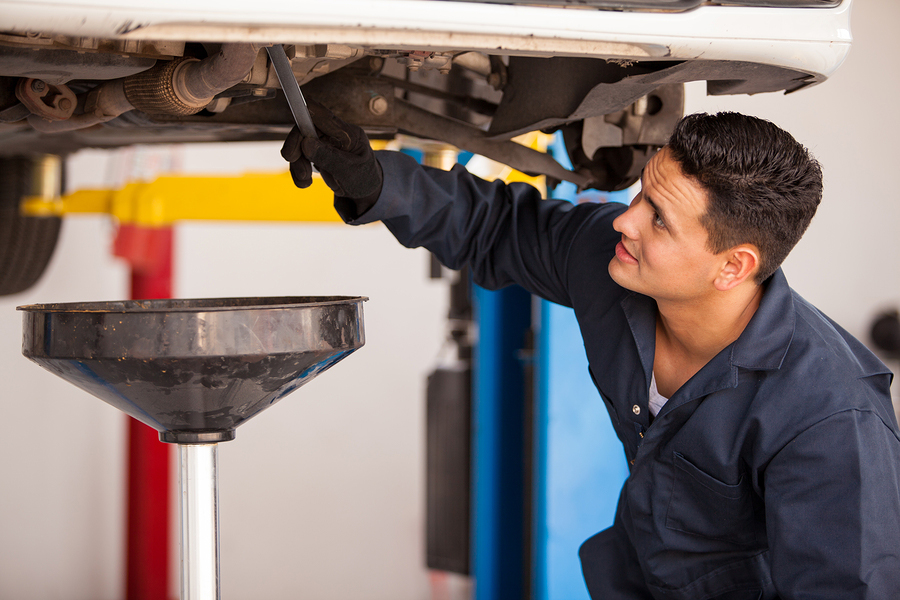
Your car manual has a preventative maintenance schedule that you should follow. That might say 5,000 or 10,000 miles between your oil changes. So, why does your mechanic tell you to change it sooner? There are circumstances where you should change your oil every 3,000 miles, religiously.
Preventative Maintenance
The most common preventative maintenance is to change your car’s oil every 3,000 miles. But, will the mechanic tell you it is okay to wait until 10,000 miles? The oil change jockey probably will not. There are some circumstances where you absolutely should not wait until 10,000 miles to do your maintenance.
Reasons to Change Your Oil at 3,000 Miles
- You drive long distances in the hot desert
- Every day you start and stop a lot in heavy, city traffic
- You drive mostly in slow, heavy traffic in cold weather
- You often drive on dirt roads or in a lot of haboobs
- Your vehicle is used for towing cars, trailers or boats
- You have a turbocharged engine
The reason you need that preventative maintenance on your car in the situations listed above is because your car is going to need the additives that are in the oil. After a car runs around for 3,000 miles, those important additives that protect your engine are going to degrade. This is just fine for ideal driving situations. But if you are a little bit hard on your engine with your driving habits or have the less than ideal road conditions, it is best to error on the side of caution and get those oils changes every 3,000 miles.
If you drive like that little, old lady from Pasadena, then carry on. Get your oil changed every 10,000 miles or five years, whichever comes first. Your preventative maintenance doesn’t have to be urgent.