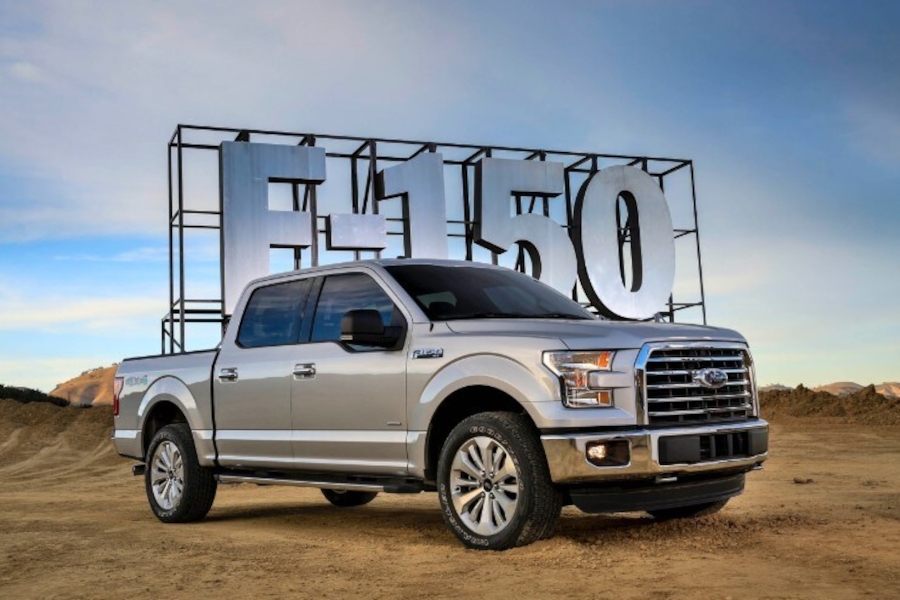
As master technicians with over 20 years servicing Ford trucks here in Sunnyvale, we’ve diagnosed countless F-150 engine power loss cases that leave drivers stranded on Highway 101 or struggling up the Santa Cruz Mountains. The sudden loss of power while driving isn’t just inconvenient—it’s dangerous, especially in our stop-and-go Silicon Valley traffic.
The Root Causes Behind Power Loss
The most common culprit we encounter is carbon buildup in the EGR (Exhaust Gas Recirculation) system. Ford’s EcoBoost engines, particularly the 3.5L twin-turbo V6, are notorious for this issue. California’s emissions regulations mean these engines run lean, causing excessive carbon deposits that clog the EGR valve and intake manifold runners. When this happens, the engine management computer pulls timing and reduces boost pressure, resulting in that dreaded power drop.
Turbocharger wastegate actuator failure is another major issue we see, especially in trucks with 40,000+ miles. The electronic actuator that controls boost pressure develops internal leakage, causing erratic power delivery. Symptoms include a distinctive whistling sound under acceleration and sudden power cuts during highway merging—particularly dangerous on our busy freeways.
Mass airflow sensor contamination is exacerbated by our dusty Central Valley winds and construction zones throughout the Bay Area. When the MAF sensor reads incorrectly, the PCM (Powertrain Control Module) compensates with overly rich or lean fuel mixtures, triggering limp mode.
Professional Diagnostic Approach
Our diagnostic process starts with a comprehensive scan using Ford’s IDS (Integrated Diagnostic System) to pull pending codes and examine live data streams. We specifically monitor long-term fuel trims, boost pressure readings, and EGR flow rates while road testing under various load conditions.
For EGR-related issues, we perform an intake manifold inspection using a borescope camera to assess carbon buildup severity. Complete cleaning involves removing the intake manifold, media blasting the EGR passages, and installing updated Ford TSB components.
Turbocharger diagnosis requires boost leak testing using regulated shop air and a specialized smoke machine to identify wastegate actuator problems or intercooler leaks.
The Fix and Prevention
Proper repairs currently run $1,800-$2,800 depending on component replacement needs. We always recommend switching to the best gasoline and performing intake cleaning services every 30,000 miles—especially important given our California fuel formulations and driving conditions. Regular maintenance at A1 Performance Auto Repair is your best defense against these costly failures.