by Admin | Mar 20, 2026 | Auto Care Blog |
There is a real sense of accomplishment that comes with fixing your own car. It can save money and help you understand the machine you rely on daily. However, modern vehicles are essentially rolling computers with highly complex mechanical systems. Knowing the difference between a safe Saturday afternoon project and a dangerous undertaking is crucial for your safety and your wallet.
Green Light DIY Tasks
Some maintenance items are designed to be user-friendly. These are great entry points for home mechanics because they require few tools, have low physical risk and low consequences if messed up.
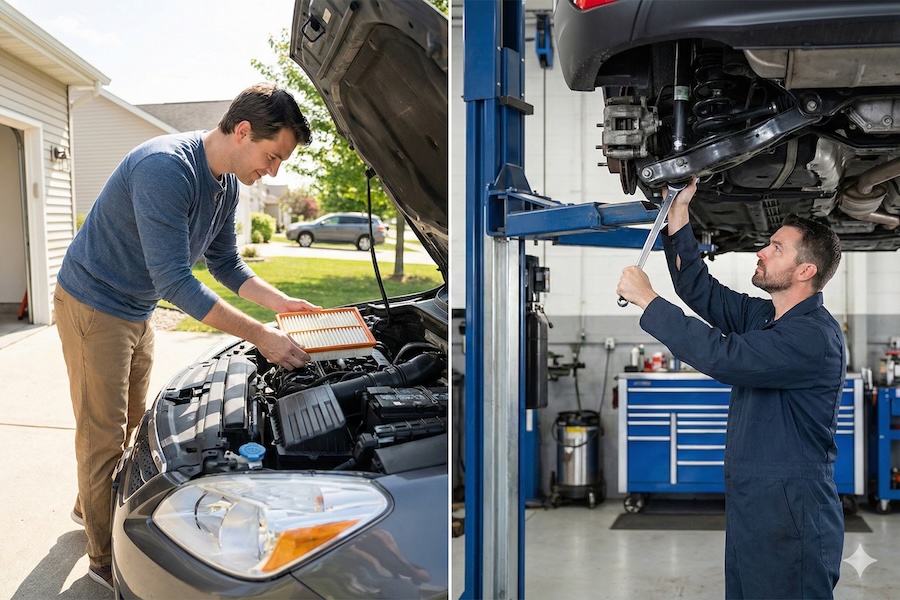
Replacing windshield wiper blades is a perfect example. It’s inexpensive, quick and dramatically improves safety. Similarly, swapping out engine air filters and cabin air filters usually only involves unclipping a plastic housing. Replacing accessible light bulbs is another good DIY option, though some modern headlights require removing the entire bumper cover, which changes the complexity significantly. If you can do these without jacking up the car or touching critical systems, go for it.
Areas That Require Caution
The line should be drawn firmly at systems that affect your ability to steer or stop. Brake jobs often look deceptively simple on internet tutorials. Yet, missing a single caliper bolt, failing to bleed the lines correctly or using the wrong torque specs can lead to total brake failure on the highway.
Suspension work is another danger zone. Components like struts are under immense pressure. Mishandling a spring compressor can cause severe injury. Furthermore, incorrect installation will ruin your alignment and chew through tires in a matter of weeks.
The Hidden Costs of DIY Failures
We frequently see vehicles towed in after a failed home repair attempt. What started as a plan to save a few hundred dollars ends up costing much more due to stripped bolts, broken sensors or damaged wiring harnesses.
Professional shops invest thousands in advanced diagnostic computers that talk to your car’s specific modules. Trying to diagnose a check engine light by just throwing parts at it is rarely cost-effective. Beyond the tools, professional service comes with a warranty on parts and labor that a driveway repair simply cannot offer. If safety is on the line, the risk is rarely worth the reward.
by Admin | Mar 5, 2026 | Auto Care Blog, Auto Mechanic
Most vehicle owners know that regular oil changes are crucial for vehicle health. However, there is a common misconception that simply draining old oil and adding fresh oil gets the entire inside of the engine clean. Unfortunately, over time, heat and normal wear cause oil to break down into sticky varnish and thick sludge that an ordinary oil change cannot remove. This buildup is where an engine flush becomes vital for long-term performance.
The Invisible Sludge Build-Up
Modern engines are marvels of engineering, built with tighter tolerances than ever before. They also run hotter. While high-quality synthetic oils are designed to handle this heat, thousands of miles of stop-and-go driving take their toll. As oil oxidizes, it leaves behind deposits on critical internal components.
Think of it like cooking grease in a pan. If you just wipe it out with a paper towel, a sticky residue remains. Over time, that residue cooks onto the surface. In your engine, this sludge restricts oil flow, clogs vital pathways and prevents fresh oil from reaching parts like camshafts and lifters. This friction leads to premature wear and potential engine failure.
Clearing the Pathways
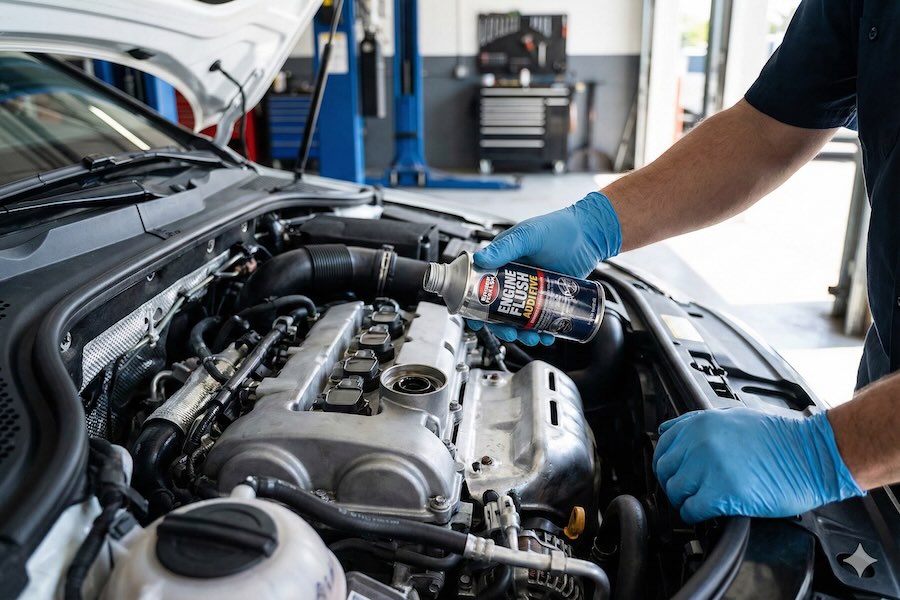
A professional engine flush is a targeted cleaning process performed right before an oil change. We add specialized chemical cleaners to the engine’s old oil. The vehicle is then run for a specific period to allow these chemicals to circulate.
The cleaning agents dissolve the baked-on varnish and liquefy the sludge suspended in the engine. When we drain the old oil, all that harmful buildup drains out with it. It is essentially a reset button for your engine’s internal cleanliness.
The Performance Advantage
The immediate benefit of an engine flush is that your new, clean oil goes into a clean environment. It doesn’t immediately mix with old sludge, allowing it to do its job better and last longer.
By ensuring oil passages are clear, lubrication improves significantly. This helps the engine run cooler, quieter and more efficiently. For performance vehicles or older cars with unknown maintenance histories, an engine flush is cheap insurance against catastrophic repairs down the road. It restores power and efficiency that was lost to internal friction.
by Admin | Sep 20, 2025 | Auto Care Blog, Car Blog, Oil Changes
Every oil change tells a story. Every drain plug removal is a diagnostic opportunity.
Natural vs. Synthetic Oil
Conventional oil comes straight from crude petroleum. It’s refined but maintains its natural molecular structure. Synthetic oil is engineered from chemical compounds, creating uniform molecules that flow better in extreme temperatures. And it lasts longer between changes. While conventional oil breaks down around 3,000-5,000 miles, quality synthetic can safely go 7,500-10,000 miles.
Both oil types require identical disposal methods. We drain used oil into certified collection tanks, then transfer it to licensed recycling facilities. The oil gets re-refined into new lubricants or processed into other petroleum products. Responsible shops never dump oil down drains or onto soil – it’s illegal and environmentally devastating.
Choosing Independent Mechanics over Franchise Oil Change Places
Franchise oil shops focus on speed and upselling. They’re trained to get cars in and out quickly. And in the process, they miss crucial warning signs. Independent mechanics like me take time to actually inspect your vehicle. We check fluid levels, examine belts, scan for leaks, and listen to your engine’s unique sounds. All these things help catch problems that are starting.
Every oil change reveals your car’s secrets. Metal particles in old oil suggest engine wear. Coolant contamination indicates head gasket problems. Unusual oil colors tell stories about combustion issues or contamination. We examine drain plug threads, inspect filters for debris, and note oil consumption patterns.
Last month, a regular customer brought her Honda in for her oil change. I noticed a slight knocking sound when she drove up. While draining her oil, I saw excessive metal shavings. Further inspection revealed worn connecting rod bearings – caught just before catastrophic engine failure. That timely oil change saved her $8,000 in engine replacement costs.
An Unexpected Passenger
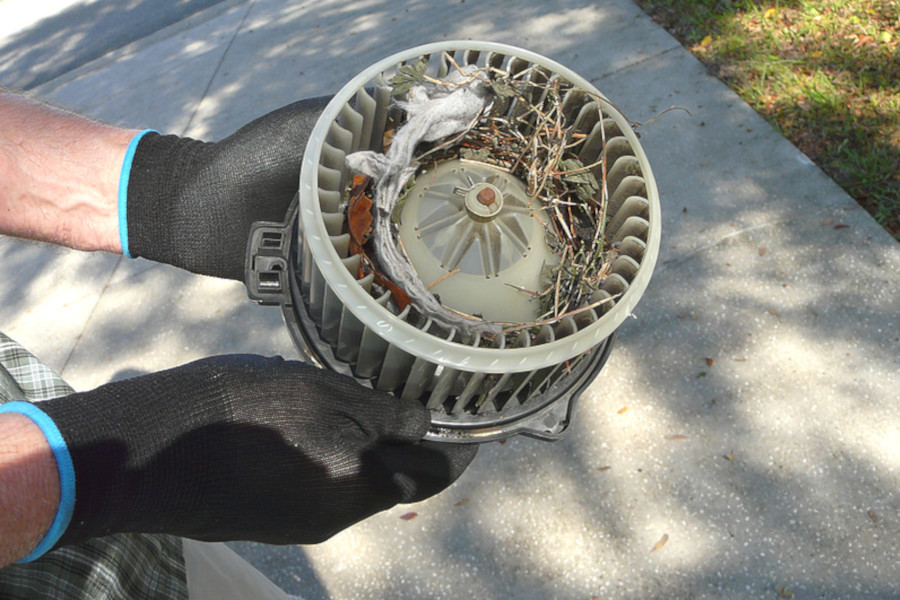
Speaking of surprises, I once lifted a customer’s hood to find a family of field mice had built an elaborate nest atop the air filter housing, complete with acorn storage. The customer wondered why her car had been running rough – turns out mice don’t make great air filters! We relocated the furry tenants safely and installed a new filter.
Regular oil changes with a trusted mechanic aren’t just maintenance – they’re preventive healthcare for your vehicle’s heart.

by Admin | Feb 5, 2025 | Auto Care Blog, iPad Giveaway, Nissan Leaf, Oil Change, Specials and Coupons
When you have to keep turning up the radio to hear it, you know something is wrong. But it might not be the muffler.
Louder and Louder the Car Noise Becomes. What Is It?
Of course, an old muffler is the first thing that comes to mind when your car keeps getting noisier and noisier. Maybe you’ve recently replaced the muffler, so you’re pretty sure it isn’t that. Well, here is the top reason for cars to become louder over time.
Tires.
Yes, tires are often the culprit. Sometimes, with cheap off-brand radial tires the noise can start in as little as 10,000 miles. The car starts out just fine, then as some mileage stacks up it starts getting louder. You notice you have to keep turning up the radio and start wondering what in the heck is wrong with your car!
Another way your tires can begin making noise is the tread is wearing away. You can do the penny test to see if you have enough tread to be driving around with those tires.
Tire Penny Test
Turn your front wheels so the tires are easily accessed. Put a penny in between the treads, with Lincoln upside down.
Is the top of Lincoln’s covered with tire tread?
If not much or none at all of Lincoln’s head is covered, you’re down to 2/32” of tread. So, go buy some tires right away. Your car isn’t hugging the road like it should and might slip in the rain. Make replacing the tires a priority.
Check the tread for every tire on your vehicle. They might vary dramatically if there is something wrong with your alignment, suspension, wheel bearings or other mechanical problem.
If you need some help deciding what’s making all that noise in your car, make an appointment with us at A1 Performance Auto Repair. We’re happy to give it a thorough inspection to discover the cause.

by Admin | Jan 20, 2025 | Auto Care Blog
In a year marked by severe weather events, an alarming number of flood-damaged vehicles are silently making their way onto the used car market.
With CARFAX reporting approximately 347,000 flood-damaged vehicles from this year’s hurricane season alone, buyers need to be more vigilant than ever.
While Hurricane Milton and Helene caused extensive damage, affecting over 258,000 vehicles combined, it’s the smaller, unreported storms that often create the perfect opportunity for unscrupulous sellers.
Why Water Damage Is Your Worst Enemy
Unlike conventional mechanical issues, water damage is particularly insidious. Water infiltration can trigger a cascade of problems:
● Electrical system failures that manifest months later
● Engine deterioration from contaminated oil systems
● Hidden mold growth causing respiratory issues
● Corroding mechanical components
● Computer system malfunctions
Red Flags: Your Checklist for Spotting Flood Damage
Before making a purchase, look for these telling signs:
Sensory Indicators:
● Musty odors, particularly in the trunk or under carpets
● Strong fragrance or excessive air freshener use (potentially masking odors)
● Dampness under floor mats or carpeting
● Fog or moisture in exterior lights or instrument panel
Visual Clues:
● Water lines or silt in unusual places
● Rust in areas that shouldn’t be exposed to water
● Mismatched or new carpeting in an older vehicle
● Mud or debris in door jambs or under the hood
● Brittle or cracking wires under the dashboard
Mechanical Warning Signs:
● Spotty electrical system performance
● Engine running rough or inconsistently
● Oil that appears milky or has water droplets
● Transmission fluid that’s cloudy or has particles
Essential Steps To Protect Yourself Before Buying
1. Obtain a comprehensive vehicle history report
2. Have an independent mechanic perform a thorough inspection
3. Check the vehicle’s title history for salvage or rebuilt status
4. Look up the VIN through the National Insurance Crime Bureau
5. Test all electrical components, including windows, lights, and entertainment system
6. Examine the undercarriage for unusual rust patterns
7. Check all drain plugs and areas where water might pool
While a flood-damaged vehicle might come with an attractive price tag, the long-term costs can be staggering. Electrical repairs alone can run into thousands of dollars, and some issues may never be fully resolved. Insurance companies often consider these vehicles too risky to insure fully, leaving owners vulnerable to significant financial exposure.

by Admin | Oct 5, 2024 | Auto Care Blog, Car Blog
The recent warnings from Ford and Mazda about dangerous Takata airbag inflators in older vehicles have understandably caused concern among many car owners. And rightly so.
While the issue is serious, it doesn’t necessarily mean you should rush to trade in your trusty old car for a shiny new model.
Not All Old Cars are Affected
First, it’s important to understand that the Takata airbag recall, while extensive, affects specific makes and models. If your vehicle isn’t on the list, there’s no need to panic. Even if it is, the solution isn’t necessarily to buy a new car – it’s to get the necessary repairs done.
We’ve always told our customers that regular maintenance is the unsung hero of vehicle longevity and safety.
By keeping up with scheduled services and addressing issues promptly, you can often extend the life of your car well beyond what you might expect. This not only saves you money in the long run but also ensures your vehicle remains safe to drive.
Consider this: A well-maintained older car can often be safer and more reliable than a newer car that’s been neglected. The key is staying on top of recalls, service schedules, and any emerging issues. This proactive approach allows you to address potential problems before they become dangerous or expensive.
Staying On Top Of Recalls
The Takata airbag recall serves as a crucial reminder of the importance of staying informed about your vehicle’s status.
Regularly check for recalls using your Vehicle Identification Number (VIN) on the NHTSA website. If your car is affected, don’t ignore it – schedule the necessary repairs immediately.
Remember, car manufacturers are required to provide these recall repairs free of charge. In the case of the Takata recall, many companies are even offering additional services like free towing or loaner vehicles to make the process as convenient as possible for owners.
With proper care and attention, your older car can continue to serve you safely and reliably for years to come.
After all, the best car is often the one you already own – especially when it’s well-maintained. We at A1 Performance Auto Repair will help you keep it well maintained.