by Admin | Oct 20, 2025 | Ford, Ford F-150
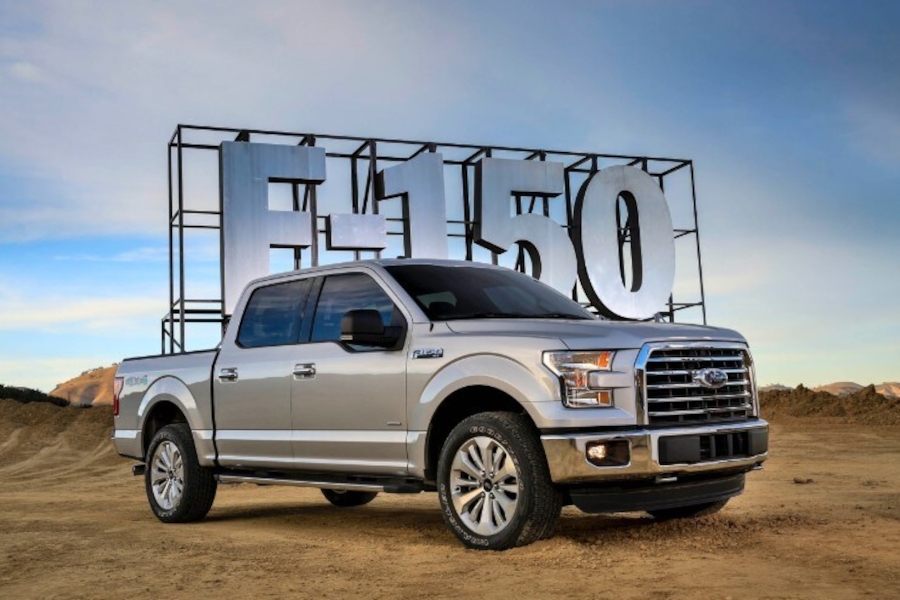
As master technicians with over 20 years servicing Ford trucks here in Sunnyvale, we’ve diagnosed countless F-150 engine power loss cases that leave drivers stranded on Highway 101 or struggling up the Santa Cruz Mountains. The sudden loss of power while driving isn’t just inconvenient—it’s dangerous, especially in our stop-and-go Silicon Valley traffic.
The Root Causes Behind Power Loss
The most common culprit we encounter is carbon buildup in the EGR (Exhaust Gas Recirculation) system. Ford’s EcoBoost engines, particularly the 3.5L twin-turbo V6, are notorious for this issue. California’s emissions regulations mean these engines run lean, causing excessive carbon deposits that clog the EGR valve and intake manifold runners. When this happens, the engine management computer pulls timing and reduces boost pressure, resulting in that dreaded power drop.
Turbocharger wastegate actuator failure is another major issue we see, especially in trucks with 40,000+ miles. The electronic actuator that controls boost pressure develops internal leakage, causing erratic power delivery. Symptoms include a distinctive whistling sound under acceleration and sudden power cuts during highway merging—particularly dangerous on our busy freeways.
Mass airflow sensor contamination is exacerbated by our dusty Central Valley winds and construction zones throughout the Bay Area. When the MAF sensor reads incorrectly, the PCM (Powertrain Control Module) compensates with overly rich or lean fuel mixtures, triggering limp mode.
Professional Diagnostic Approach
Our diagnostic process starts with a comprehensive scan using Ford’s IDS (Integrated Diagnostic System) to pull pending codes and examine live data streams. We specifically monitor long-term fuel trims, boost pressure readings, and EGR flow rates while road testing under various load conditions.
For EGR-related issues, we perform an intake manifold inspection using a borescope camera to assess carbon buildup severity. Complete cleaning involves removing the intake manifold, media blasting the EGR passages, and installing updated Ford TSB components.
Turbocharger diagnosis requires boost leak testing using regulated shop air and a specialized smoke machine to identify wastegate actuator problems or intercooler leaks.
The Fix and Prevention
Proper repairs currently run $1,800-$2,800 depending on component replacement needs. We always recommend switching to the best gasoline and performing intake cleaning services every 30,000 miles—especially important given our California fuel formulations and driving conditions. Regular maintenance at A1 Performance Auto Repair is your best defense against these costly failures.
by Admin | Jul 20, 2025 | Ford
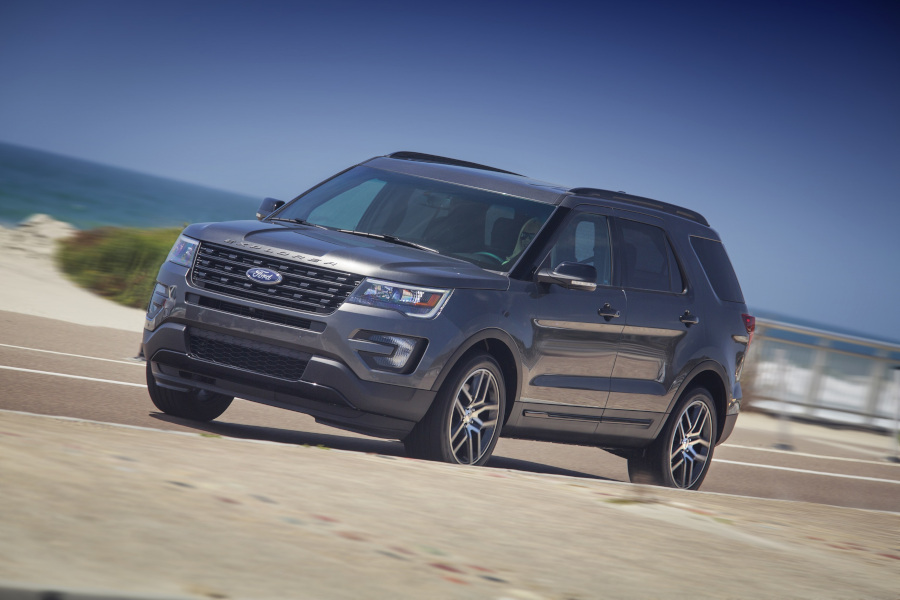
For years the cause of the buildup of carbon monoxide inside the Ford Explorer was a mystery. At least one police officer passed out from being in his Ford Explorer upfitted police cruiser due to the toxic fumes. And many other cops complained of severe headaches after driving their vehicles all day. So, what gives?
Ford Explorer Exhaust Leaks
Thousands of Explorer owners reported that they were having problems with carbon monoxide coming into their vehicles. The model years were 2011-2017. The problem appeared to be worse upon acceleration or when the AC was running while set to recirculation. Ford was slow to respond, so the investigation dragged on for years without resolution.
When The National Highway Traffic Safety Administration (NHTSA) stepped in, things were thoroughly investigated. Ford sent out bulletins on it to mechanics and gave instructions on possible repairs of the issue. When those failed, people started suing.
Finally The Mystery Solved
In early 2023, the NHTSA figured out the cause of the carbon monoxide issue and how it was getting into the cab of the vehicle. They reviewed 6500 consumer complaints about the issue, testing and consulting with safety experts. There had been 657 injuries from this problem and three deaths.
Their investigation was a success – it lead to a solution. They closed the investigation and Ford did not have to issue a recall on those vehicles.
The Cause of the Carbon Monoxide Leak
As it turns out, these vehicles that were leaking carbon monoxide into the vehicle had all be upfitted. This means they were modified after leaving the factory. For instance, many of these Ford Explorers with this problem were police cars. The cars were purchased and then sent to the upfitter to add all the features law enforcement needed to make a police cruiser.
Where the problem was created: after upfitting, some of the holes made to install features were not properly sealed. This left holes underneath the car that led the exhaust into the inside of the car, poisoning whoever was inside.
Used Ford Explorers
If you are looking for a used Ford Explorer – be aware that if it had been upfitted, this exhaust problem might still be a problem. Have us check out any 2011-2017 Ford Explorer you are considering buying. We will check it out for you to make sure it’s safe.
by Admin | Dec 20, 2024 | Ford, Ford F-150
In America, trucks are declarations of horsepower independence. Perhaps there’s some good feeling in the US with curbside parking that feels like docking a ship.
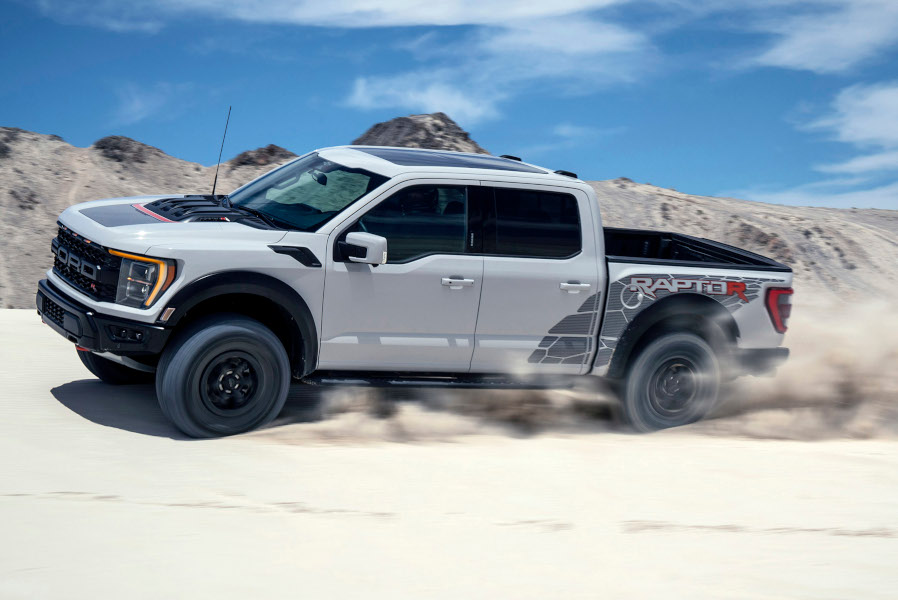
The Ford F-Series, poised to clinch its 48th consecutive year as America’s best-selling vehicle, embodies a phenomenon that goes far beyond mere transportation.
It’s a rolling testament to the American dream, packaged in steel, chrome, and horsepower.
Ford F-Series as the Ultimate Big Truck in the US
In just nine months, over 528,000 F-Series trucks zoomed off the lots.
The 2024 model has a huge 12-inch screen and digital dashboard. But even so, these trucks aren’t just about fancy tech—they stand for something bigger.
More Than Just Machines
More likely than not, the F-Series and their ilk have been said to reflect American culture.
In a country where bigger often means better, pickups like the F-Series are the wheels that carry our national spirit. They’re bold statements of freedom, strength, and a certain kind of toughness that many people admire.
The All-in-One Vehicle
But is it all about toughness on the road and parking lots?
Well, not exactly. The magic is in their versatility. They’re just as comfortable on a dusty construction site as they are cruising down Main Street. Work trucks have come a long way!
They’re workhorses and showpieces, family cars and adventure machines all rolled into one. Maybe we can think of them as the Swiss Army knives of the car world?
While critics of the big trucks may loudly say that they’re unnecessary, most can’t resist a test drive.
Often, it’s about the possibilities—towing big things, hauling loads, or exploring off the beaten path—even if most drivers don’t use all that power.
The Road Ahead
As we look forward, electric cars are becoming a big deal, and even pickup trucks are changing with the times. But one thing is crystal clear: America’s love for big trucks isn’t going anywhere.
It’s deeply rooted in who we are, like a rolling symbol of our wide-open spaces and the endless opportunities of the American dream.
by Admin | Jul 5, 2024 | Ford
Ford finds itself under the microscope of federal auto safety regulators over concerns that the company’s proposed recall remedy may not adequately address a potentially serious issue affecting certain SUV models.
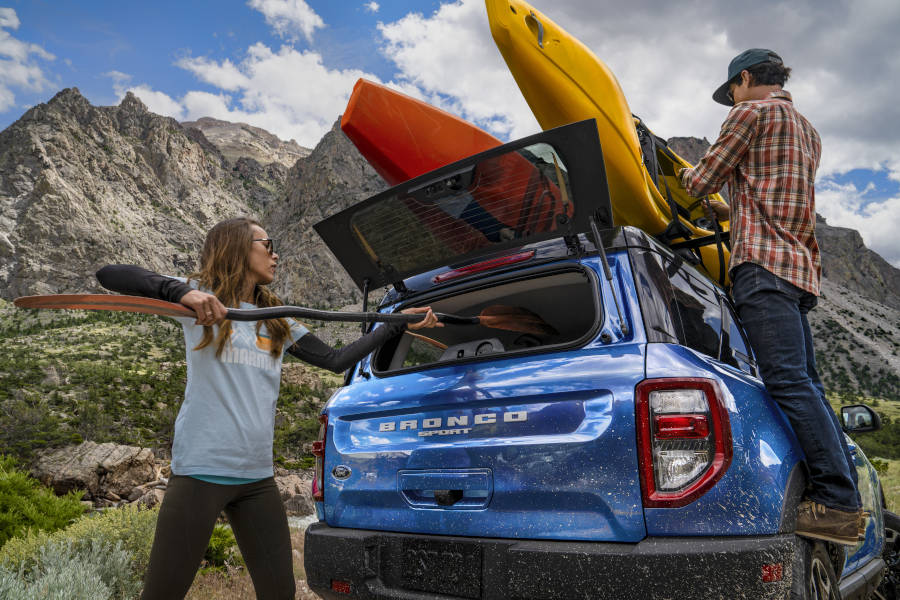
Last month, the National Highway Traffic Safety Administration (NHTSA) announced it was investigating the sufficiency of Ford’s planned recall fix for 2022-2023 Bronco Sport and 2022 Escape SUVs equipped with 1.5L engines.
At the crux of the issue are fuel injectors that can potentially crack and leak fuel, creating a fire risk under the hood.
Fixing the Software Instead of the Faulty Fuel Injectors
Rather than replacing the faulty fuel injectors, Ford’s proposed remedy involves updating the engine control software and installing a drain. However, NHTSA has expressed “significant safety concerns” that this fix fails to tackle the root cause of the problem and is too reactive rather than proactive.
In a letter to Ford made public this week, the agency criticized the automaker’s remedy saying it “does not address the root cause of the issue and does not proactively call for the replacement of defective fuel injectors prior to their failure.” NHTSA has given Ford until June 21st to provide extensive details justifying its chosen approach.
Ford is aware of at least five under-hood fire incidents among the affected vehicles so far, though no accidents or injuries have been reported. The company did note over 50 fire allegations and four injuries across earlier model years included in a prior recall using the same flawed remedy.
For consumers potentially impacted, Ford’s proposed fix seems like an unsettling band-aid rather than a comprehensive solution to the underlying fuel injector defect. Having to wait for components to crack and leak before any reactive measures kick in raises the risk of dangerous under-hood fires occurring.
From NHTSA’s perspective, Ford may be trying to sidestep the costlier but more robust fix of replacing all the potentially faulty injectors proactively before they can leak. The regulator clearly wants to see more data and engineering justification behind the automaker’s compliance plan.
Recalls are already a costly hassle for automakers. But cutting corners with insufficient remedies can prove even more expensive in the long run if safety issues persist and vehicles need to be addressed again. Ford will need to make a compelling case to NHTSA that its stop-gap fix properly prioritizes safety over expense.

by Admin | Dec 5, 2023 | Ford
A family vehicle that accommodates everyone and their belongings is the apple of the eye for those seeking a delightful escapade with their loved ones.
While there are countless models to pick from, shoppers prioritizing reliability have two models to consider – the Ford Mondeo and Kia Borrego. So, when it comes to minimizing headaches down the road, which one has the advantage?
The Showdown
The Mondeo has proven very reliable for a mainstream crossover, with few major issues reported over its lifetime. Its 3.5L V6 engine often exceeds 200,000 miles without needing major repairs. The 6-speed automatic transmission is also robust. J.D Power dependability scores averaged just 160 problems per 100 vehicles.
Meanwhile, the Borrego demonstrates only average durability according to consumer reports. Its 4.6L V8 does display longevity, but electrical issues and failed air suspensions affect reliability. Transmission problems are also more prevalent than on the Ford. J.D. Power scores landed at 198 problems per 100 vehicles – worse than the Ford.
Which One is Safer?
In safety testing, the Mondeo received high marks for crash protection earning 5 stars from NHTSA. The Borrego scored a five-star front and side impact and a four-star rollover rating in NHTSA testing. It also receives good ratings for side impact protection. So whether you choose a Mondeo or a Borrego as your family vehicle, you can be sure that each model has the safety of your family at the core.
So, when it comes to going the distance while minimizing headaches, the Mondeo has proven the more consistently reliable choice over years of ownership. The Borrego offers plenty of capability but falls short on long-term durability compared to the robust Ford. For family adventures with minimal breakdowns, the Mondeo is the clear winner.
by Admin | Sep 20, 2023 | Ford, Ford F-150
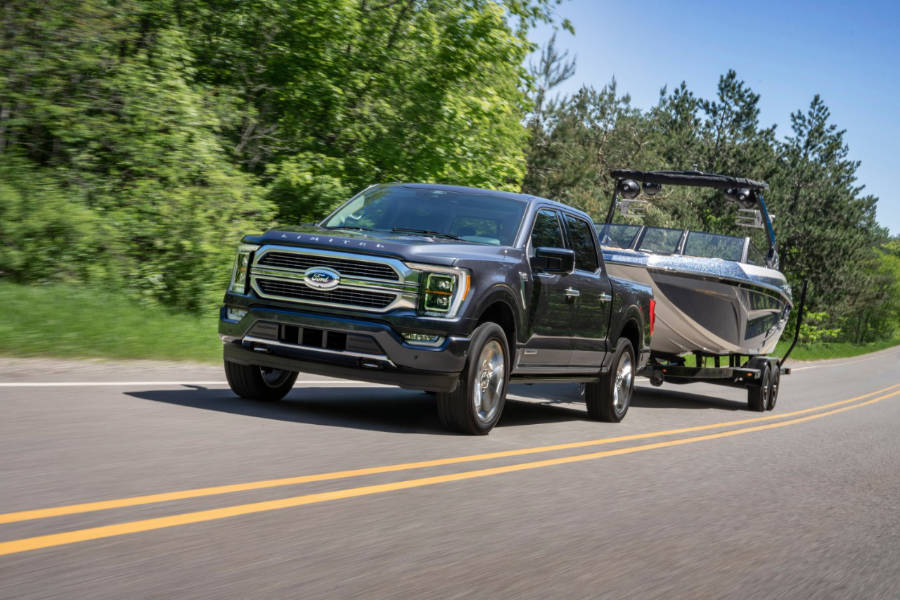
Rewarding yourself with a Ford F-150 may be the nicest thing you can do for yourself. Forget fuel efficiency and other discouraging talk; a part in the back, even if you do it yourself, is a nice feeling.
However, there are some issues that come with such a large truck. More is expected from whom more is given! Do you agree?
Users have complained that the Ford F-150 is more prone to cabin noise than smaller vehicles.
Where the F-150 Cabin Noise is Coming From
Some F-150 owners have reported excessive wind, road, and engine noise.
The wind noise can be particularly noticeable at high speeds. This is because the F-150 has a large windshield and a tall body, which creates a lot of wind drag.
The road noise can also be noticeable, especially on rough roads, mainly because the F-150 has large tires that transmit much road noise into the cabin.
On the other hand, you may notice some engine noise, especially when under heavy load. But what do you expect from such a powerful engine, particularly when it’s overworking?
How To Reduce Engine Noise
Several things can be done to reduce cabin noise in the F-150. Some of the most common methods include using sound-deadening materials. These materials absorb sound waves and can be applied to the vehicle’s interior, including the floor, roof, and doors.
You may also consider investing in a quality sound system. A well-designed sound system can help to mask cabin noise. For the best result, place the speakers strategically and properly tune the system.
Most people overlook this, but a well-maintained vehicle will be less likely to produce noise. Make sure to keep your tires properly inflated, have a good tread pattern, and ensure the brakes are in good condition.
If you’re concerned about cabin noise in your F-150, you should talk to your dealer or a qualified mechanic. They can help you identify the noise source and recommend solutions. Talk to us at A1 Performance Auto Repair about your Ford F-150 issues, and we’ll fix them for you.