Car Maintenance You Can Do Yourself

Car Maintenance You Can Do Yourself

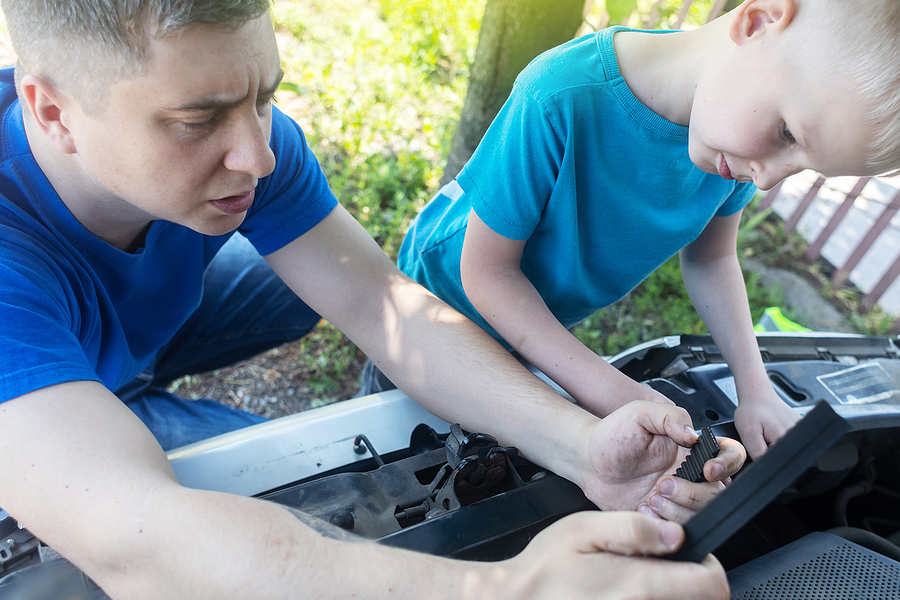
Vehicle maintenance involves several things you can safely perform yourself by using basic mechanical tools and a little knowledge. While complex repairs require professional expertise, routine maintenance items can be handled at home. It helps you stay connected to you vehicle’s condition and potentially saves on maintenance costs.

Here are Some DIY Maintenance Ideas

Coolant level monitoring should be high on your self-maintenance list. Be sure the engine is completely cool. Open the hood and locate the coolant reservoir. It’s typically a translucent plastic container marked with minimum and maximum fill lines. The coolant should remain within the specified range that is marked on that container. It’s always best to use purchased coolant for all weather, then you’re covered for when it gets frosty outside.

Brake pad inspection provides valuable information about your vehicle’s safety systems. Visual inspection through the wheel spokes allows owners to assess brake pad thickness without removing wheels. The brake pad material should measure at least one-quarter inch thick. When pad material appears thin or metal backing plates become visible, or you’re hearing a loud grinding, bring it in for us to check.

Air filter replacement for the interior improves interior air quality and heating/ac efficiency. Most cabin air filters are located behind the glove compartment and can be replaced in approximately ten minutes. A clogged filter restricts airflow and forces the heating and air conditioning systems to work harder, reducing efficiency and comfort.

Engine air filter maintenance directly affects engine performance and fuel efficiency. The air filter housing, typically a rectangular or round plastic assembly near the engine’s top, contains the filter element. A clean filter appears light in color, while a dirty filter looks dark gray or black and requires replacement.

Oil changes are best left to the mechanic. We have the correct quality parts, tools and experience to get the job done quickly without damaging anything. We can also recycle the old, dirty oil. This is an affordable service that is really worth the price.

While these basic maintenance tasks are manageable for most car owners, professional diagnosis becomes necessary when unusual symptoms develop. Strange noises, warning lights, or other concerning signs warrant immediate professional attention. A1 Performance Auto Repair provides comprehensive vehicle inspections to identify and address issues before they result in costly failures or safety concerns. Give us a call for an appointment.

Synthetic Oil – What You Need to Know

Synthetic Oil – What You Need to Know

Every oil change tells a story. Every drain plug removal is a diagnostic opportunity.

Natural vs. Synthetic Oil

Conventional oil comes straight from crude petroleum. It’s refined but maintains its natural molecular structure. Synthetic oil is engineered from chemical compounds, creating uniform molecules that flow better in extreme temperatures. And it lasts longer between changes. While conventional oil breaks down around 3,000-5,000 miles, quality synthetic can safely go 7,500-10,000 miles.

Both oil types require identical disposal methods. We drain used oil into certified collection tanks, then transfer it to licensed recycling facilities. The oil gets re-refined into new lubricants or processed into other petroleum products. Responsible shops never dump oil down drains or onto soil – it’s illegal and environmentally devastating.

Choosing Independent Mechanics over Franchise Oil Change Places

Franchise oil shops focus on speed and upselling. They’re trained to get cars in and out quickly. And in the process, they miss crucial warning signs. Independent mechanics like me take time to actually inspect your vehicle. We check fluid levels, examine belts, scan for leaks, and listen to your engine’s unique sounds. All these things help catch problems that are starting.

Every oil change reveals your car’s secrets. Metal particles in old oil suggest engine wear. Coolant contamination indicates head gasket problems. Unusual oil colors tell stories about combustion issues or contamination. We examine drain plug threads, inspect filters for debris, and note oil consumption patterns.

Last month, a regular customer brought her Honda in for her oil change. I noticed a slight knocking sound when she drove up. While draining her oil, I saw excessive metal shavings. Further inspection revealed worn connecting rod bearings – caught just before catastrophic engine failure. That timely oil change saved her $8,000 in engine replacement costs.

An Unexpected Passenger

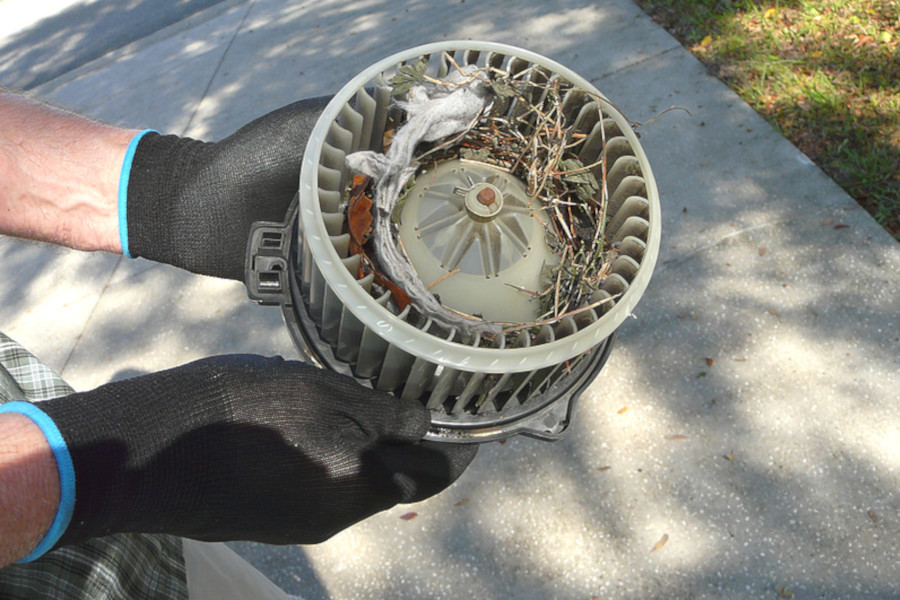
Speaking of surprises, I once lifted a customer’s hood to find a family of field mice had built an elaborate nest atop the air filter housing, complete with acorn storage. The customer wondered why her car had been running rough – turns out mice don’t make great air filters! We relocated the furry tenants safely and installed a new filter.

Regular oil changes with a trusted mechanic aren’t just maintenance – they’re preventive healthcare for your vehicle’s heart.

Subscribe To Our Newsletter

Subscribe To Our Newsletter

Join our mailing list to receive coupons and news from our team.

You have Successfully Subscribed!

Pin It on Pinterest