by Admin | Nov 4, 2019 | Auto Care Blog
You might have been asked to purchase auto repair insurance or an extended warranty when you purchase your car or truck. These two things are very different. Which should you choose?
Auto Repair Insurance
Geico and Mercury Insurance are two companies that offer auto repair insurance. This is insurance that you can add to your auto liability insurance that will pay for repairs to your vehicle. It covers the big repairs like a blown engine or a failing transmission, things that cost thousands of dollars typically.
With Geico you’ll need to sign up for it while your car is less than 18 months old. This means you’ll be paying for it for years through the warranty period. Mercury will let you wait to sign up within 30 days of your warranty’s expiration. To use it, you call for a pre-authorization and then go to an authorized mechanic to have the repair done.
Extended Warranty
You’ll purchase this from the new car dealer when you purchase the car or at some point before your warranty expires. Offers from companies you’ve never heard of are famous for being scams. So, only purchase this from your dealer. There are usually a range of plans that cover different things.
Which to Choose
If you’ve had trouble with the car during the warranty period then it might be a good idea to buy Mercury’s auto repair insurance or an extended warranty, depending on the price. You’ll have to weigh the coverage cost against your best guess on costs of repair. Geico’s coverage must start so early in the car’s life that it probably isn’t worth it by the time something breaks.
Generally speaking, if your car is a bit of a lemon then get rid of it. Don’t throw good money after bad. And paying for extended warranties are usually making the company rich, not saving you any money. It is better to always have money in a savings account for a repair emergency.
by Admin | Oct 26, 2019 | Auto Care Blog
If you’re doing a little car shopping for a used car, you should probably avoid any of them listed on the worst used cars to buy list. While the price tag might be extremely low, the repair bills will not. Take a look at some of the worst of the bunch.
Worst Used Cars to Buy
These worst used cars to buy featured on this list are from not just the Bay Area, but from around the USA. You might be a little more likely to find these cars in California, though, because cars last so much longer here.
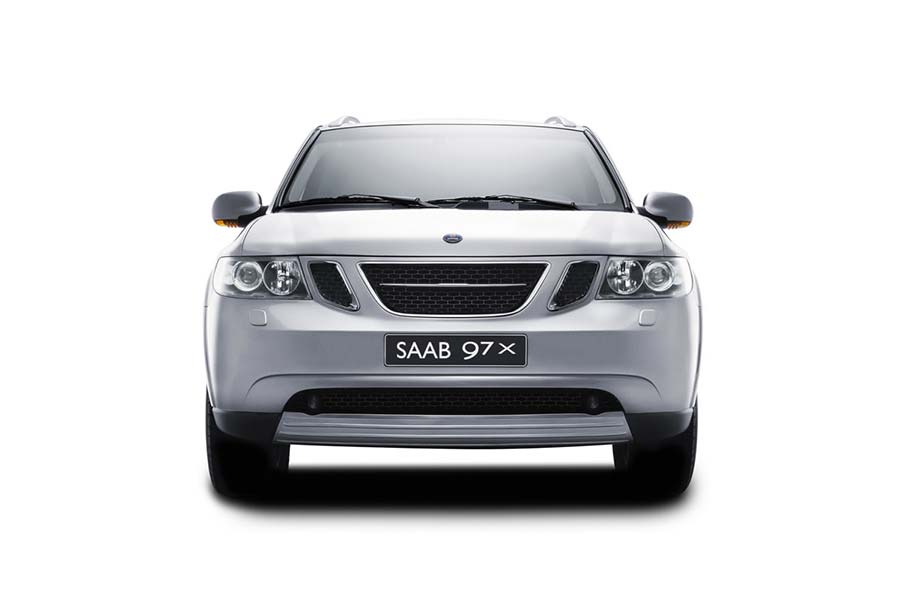
Saab 9-7X
The Saab 9-7X didn’t have much in the way of longevity. It was produced for only 5 years. It featured terrible fuel mileage and a terrible safety record. It was supposed to compete with the Chevy Trailblazer with an inline 6 cylinder or a V8.
2008 GMC Canyon
This is a pickup truck that was never loved by critics and it just got worse from there. The interior was cheap, it was not good on fuel and it didn’t have the power it needed from the inline 4 cylinder or inline 6 cylinder.
2018 Jaguar XJ
While this XJ has 3 powerful engine choices and great handling, the interior is cheap and it’s reliability is low-rated. At a price around $64,000, it’s best to pass.
2007 Dodge Nitro
The Nitro scores ok for safety, but it’s slow to accelerate, not reliable and has cheap interior. While the price around $4 grand might attract a money-pinched family, the money spent to keep it going won’t be worth the cheap buy price. There are more reliable SUVs out there.
2009 Chevrolet Arrow
There’s good fuel economy on this Arrow, but it’s at the cost of good acceleration, safety and reliability. It may or may not be worth the less than $3 grand you’ll pay for it.
Finding the Right Car
When you’re car shopping, bring the car by to have it checked by our mechanic at A1 Performance Auto Repair. We will look it over before you buy.

by Admin | Oct 20, 2019 | Auto Care Blog
The state of California has a lemon law that protects consumers from getting stuck with a car that has many things wrong with it and the manufacturer can’t or won’t make it good. You do need to take action, so know your lemon law rights.
Know Your Lemon Law Rights
It used to be “buyer beware,” but these days in California you don’t have to be stuck with a lemon if you don’t want to be. If the car you purchased has serious problems, the manufacturer can be forced to make good if they are unable to fix those problems.
Is Your Car Covered by the Lemon Law?
The Lemon Law covers new and used vehicles that are sold or leased and come with a new car warranty. They include trucks, cars, SUVs, motorhomes, business use vehicles and personal use vehicles. The lemon law is in effect for you during the term of your original new car warranty.
Lemon Definition
There are certain criteria that need to be met to declare your vehicle a lemon, giving you the protection under the law. If your vehicle qualifies then the manufacturer will be forced to either replace your vehicle or buy it back.
Here are the qualifications of a lemon:
- The malfunction of the vehicle has the potential to cause death or serious injury. The manufacturer has tried at least 2x to fix it and the problem persists.
- The manufacturer has tried at least 4x to fix the same warranty problem.
- The vehicle has been out of service for a period of at least 30 days (not necessarily consecutively) for 1 or more warranty repairs.
- The problem substantially reduces the value of use for the consumer and is not a result of abuse.
- The consumer needs to contact the manufacturer about the problems in writing, if it states that in the vehicle’s manual.
How to Use the Lemon Law
Read the Lemon Law pages carefully and if you find that you qualify to use the Lemon Law, you can contact California’s arbitration certification. This arbitration is free for you to use, however you’ll likely have the best experience by using an attorney that specializes in Lemon Law cases.
by Admin | Oct 13, 2019 | Auto Care Blog
It was with great joy that we would gather around the car radio and listen to the latest Car Talk episode on NPR. This informative and always hilarious show about auto repair started in 1977 and was ended in 2012. If you miss Car Talk, all is not lost.
The Ways Car Talk Lives On
Car Talk has a loyal following even today. The show is still broadcast on NPR in its current form “The Best of Car Talk.” Not all NPR stations play it, so you might have to move your radio tuner around from NPR station to NPR station to catch the show locally.
If all the nearby NPR stations are not running the “Best of” version of the show, you can still listen to the show on their podcast. The podcast is broadcasting the old episodes for your listening pleasure.
Car Repair Advice
But even though Tom Magliozzi died a few years back and his brother Ray has retired from the show, there is still plenty of car repair advice going on via the forum on their website.
If you have a weird problem going on with your vehicle and you’ve not been able to make any sense of it, post it on their community pages. You’ll get some responses that will help you figure out what’s wrong with your car or truck.
Of course, the best way and fastest way to figure out what’s ailing your car is to bring it to A1 Performance Auto Repair. Our mechanics are experts in diagnosis and repair. They’ll figure out the cause quickly and get it repaired right the first time.
But, we all know, where’s the fun in just getting it fixed? The fun is in Tom and Ray’s hilarious off the cuff remarks, insults and best guesses. Sooner or later the problem will stop being a curiosity and then you’ll need to bring it by for a repair. We hope to see you soon.

by Admin | Oct 4, 2019 | Auto Care Blog
The future of auto insurance is Usage Based Insurance (UBI). Your agent might have already asked you if you’d like to lower your insurance rates by using a driving app for several weeks for a discounted UBI rate. If you think you can completely opt out of this type of spying on your driving, you would be mistaken.
Usage Based Insurance
When UBI was just starting out, they would get your permission to attach an onboard device, or a telematic device, that’s also called an insurance dongle. These dongles record some of your driving habits like acceleration speed, braking habits, speeding and collisions, then they store this information for the insurance company to figure out a discounted or even an increased rate for the policy.
The insurance dongle’s problem for the policy holder is that it doesn’t know a different driver is operating the vehicle or the circumstances around the decision to brake hard or to speed. So, your auto insurance rate might go up unfairly.
The smartphone app is another method to track and save the same type of information, but an app allows for some user input which makes the process a little fairer. It will allow you to remove the driving session because another person was driving the car, for instance. So, this is what most drivers are using now when they’d like to get a discount on their auto insurance rates.
Insurance companies are all different in the rates they give for using these apps. Some insurance companies will raise your rates after they see your driving data. So, ask your company if they will hold it against you, because not all of them do.
Opting out of this type of driving information is not possible. While giving this information to your insurance company is currently optional, the data is collected by your car’s hard drive already. This data can be tapped into and read by law enforcement or anyone else with the ability to access it. So, if you don’t want big brother collecting data on you, you’ll need to drive an old car that doesn’t have a computer onboard.

by Admin | Sep 26, 2019 | Auto Care Blog |
What is a smog abatement fee? California requires every vehicle to get a certification that the vehicle’s emissions meet the state’s pollution standards. The abatement fee will allow you to skip getting these certifications. There have been some changes in this program effective January of 2019. Here are what the new rules are for abatements.
What Is a Smog Abatement Fee
The smog abatement fee is $25 generally, with some exceptions. However, some vehicle owners are exempt from paying this fee.
Here are the new rules effective January 1, 2019:
- Vehicles that are 8 years old or less (using the model year) are exempt from biennial smog certification.
- 7 and 8-year-old vehicles must pay an annual $25 abatement fee.
- A 7-year-old vehicle (as of the date of this writing, it is the 2012 model) is exempt from paying the smog abatement fee if they obtained a smog certification in 2018.
- To determine what you need to pay under these new rules, subtract 7 years from the current year to figure out the oldest car that needs to pay the $25 smog abatement fee. A 6 year old car also pays the $25 fee.
- To determine which cars need to pay the $20 smog abatement fee, subtract 5 years from the current year. Those models and all younger models up until new cars will pay the $20 fee instead of the $25 fee.
Additional Exemptions
Additionally, cars with the model year of 1975 or earlier and are gasoline powered are exempt from having to get a smog certification. Diesel powered vehicles are exempt from model year 1997 and older.
Get More Information on Smog Abatement
There are many more details on the finer points of smog abatement fees and the rules. Take a look at the page for smog abatement fees and you’ll find the answers to all of your questions there.