
by Admin | Apr 5, 2026 | Auto Mechanic, Car Blog |
Your car communicates with you every time you drive. While warning lights grab your attention, unusual sounds often appear first and can reveal problems before they become expensive repairs. Knowing what to listen for helps you catch issues early and stay safe on the road.
Clicks and Ticking Noises
A rapid clicking sound when you turn the key usually points to a weak or dead battery. The starter motor is trying to engage but lacks the power to turn the engine over. If you hear a rhythmic ticking while driving, it could be something as simple as a small rock lodged in your tire tread. However, persistent ticking from under the hood might indicate low oil levels or a valve train issue that needs professional inspection.
Hums, Whines and Grinding
A low humming noise that changes with your speed often comes from worn wheel bearings or uneven tire wear. This sound typically grows louder over time and should be checked before the bearing fails completely. High-pitched whining during acceleration can signal power steering fluid running low or a failing alternator belt. Grinding sounds are almost never good news. If you hear grinding when braking, your brake pads have likely worn down to the metal backing plates and are damaging your rotors.
Rattles and Knocking
Rattles can be tricky because they range from a loose heat shield (annoying but not dangerous) to exhaust system problems that affect performance and emissions. Pay attention to when the rattle occurs. Does it happen only over bumps? That might be a suspension component. Only at idle? Possibly an engine mount. Knocking sounds from the engine are the most serious. A deep knocking that follows engine speed could indicate rod bearing failure, which requires immediate attention to prevent catastrophic engine damage.
The key is noticing changes from your car’s normal sounds. You know your vehicle better than anyone. When something sounds different, don’t ignore it. Bring it in so we can diagnose the issue before a small fix turns into a major repair bill. Early detection saves money and keeps you safely on the road.

by Admin | Jan 20, 2026 | Car Blog, Diagnose Car Problems
With fuel costs always on the rise every driver needs to look for ways to maximize their miles per gallon.
While aggressive driving habits certainly play a role on your gas mileage, the simplest and most effective way to boost efficiency has nothing to do with driving slowly. It’s about consistent maintenance. A healthy, well-maintained engine is inherently more fuel-efficient than one that’s struggling with resistance or restricted airflow.
The Tire Pressure and Air Filter Connection
The two easiest fixes are also two of the most effective.
First, tire pressure: underinflated tires increase rolling resistance, forcing your engine to work harder just to maintain speed. Check your owner’s manual or the sticker inside the driver’s side door jamb for the correct PSI and check it monthly.
Second, your air filter: a clogged or dirty engine air filter starves the engine of the necessary air for combustion. When this happens, the engine compensates by burning more fuel to create the same power, drastically reducing your efficiency. Replacing a dirty air filter is cheap and restores power and efficiency instantly.
Engine Health and the Right Oil
Oil acts as a lubricant, reducing friction inside the engine. The less friction, the less energy is wasted. Using the manufacturer-recommended oil weight (often a fully synthetic blend) ensures maximum protection and minimal resistance.
Furthermore, ensure your spark plugs are replaced on schedule. Old, fouled spark plugs lead to incomplete combustion, meaning your engine is literally throwing away unburned fuel with every cylinder misfire. Regular tune-ups focusing on these simple components will deliver tangible savings every time you fill up.
Call for an Appointment
Give us a call and have your vehicle checked out and keep it well-maintained. This will extend your car’s life, as well as keep your mpg as high as possible.

by Admin | Nov 20, 2025 | Car Blog, Oil Changes
Vehicle maintenance involves several things you can safely perform yourself by using basic mechanical tools and a little knowledge. While complex repairs require professional expertise, routine maintenance items can be handled at home. It helps you stay connected to you vehicle’s condition and potentially saves on maintenance costs.
Here are Some DIY Maintenance Ideas
Coolant level monitoring should be high on your self-maintenance list. Be sure the engine is completely cool. Open the hood and locate the coolant reservoir. It’s typically a translucent plastic container marked with minimum and maximum fill lines. The coolant should remain within the specified range that is marked on that container. It’s always best to use purchased coolant for all weather, then you’re covered for when it gets frosty outside.
Brake pad inspection provides valuable information about your vehicle’s safety systems. Visual inspection through the wheel spokes allows owners to assess brake pad thickness without removing wheels. The brake pad material should measure at least one-quarter inch thick. When pad material appears thin or metal backing plates become visible, or you’re hearing a loud grinding, bring it in for us to check.
Air filter replacement for the interior improves interior air quality and heating/ac efficiency. Most cabin air filters are located behind the glove compartment and can be replaced in approximately ten minutes. A clogged filter restricts airflow and forces the heating and air conditioning systems to work harder, reducing efficiency and comfort.
Engine air filter maintenance directly affects engine performance and fuel efficiency. The air filter housing, typically a rectangular or round plastic assembly near the engine’s top, contains the filter element. A clean filter appears light in color, while a dirty filter looks dark gray or black and requires replacement.
Oil changes are best left to the mechanic. We have the correct quality parts, tools and experience to get the job done quickly without damaging anything. We can also recycle the old, dirty oil. This is an affordable service that is really worth the price.
While these basic maintenance tasks are manageable for most car owners, professional diagnosis becomes necessary when unusual symptoms develop. Strange noises, warning lights, or other concerning signs warrant immediate professional attention. A1 Performance Auto Repair provides comprehensive vehicle inspections to identify and address issues before they result in costly failures or safety concerns. Give us a call for an appointment.
by Admin | Sep 20, 2025 | Auto Care Blog, Car Blog, Oil Changes
Every oil change tells a story. Every drain plug removal is a diagnostic opportunity.
Natural vs. Synthetic Oil
Conventional oil comes straight from crude petroleum. It’s refined but maintains its natural molecular structure. Synthetic oil is engineered from chemical compounds, creating uniform molecules that flow better in extreme temperatures. And it lasts longer between changes. While conventional oil breaks down around 3,000-5,000 miles, quality synthetic can safely go 7,500-10,000 miles.
Both oil types require identical disposal methods. We drain used oil into certified collection tanks, then transfer it to licensed recycling facilities. The oil gets re-refined into new lubricants or processed into other petroleum products. Responsible shops never dump oil down drains or onto soil – it’s illegal and environmentally devastating.
Choosing Independent Mechanics over Franchise Oil Change Places
Franchise oil shops focus on speed and upselling. They’re trained to get cars in and out quickly. And in the process, they miss crucial warning signs. Independent mechanics like me take time to actually inspect your vehicle. We check fluid levels, examine belts, scan for leaks, and listen to your engine’s unique sounds. All these things help catch problems that are starting.
Every oil change reveals your car’s secrets. Metal particles in old oil suggest engine wear. Coolant contamination indicates head gasket problems. Unusual oil colors tell stories about combustion issues or contamination. We examine drain plug threads, inspect filters for debris, and note oil consumption patterns.
Last month, a regular customer brought her Honda in for her oil change. I noticed a slight knocking sound when she drove up. While draining her oil, I saw excessive metal shavings. Further inspection revealed worn connecting rod bearings – caught just before catastrophic engine failure. That timely oil change saved her $8,000 in engine replacement costs.
An Unexpected Passenger
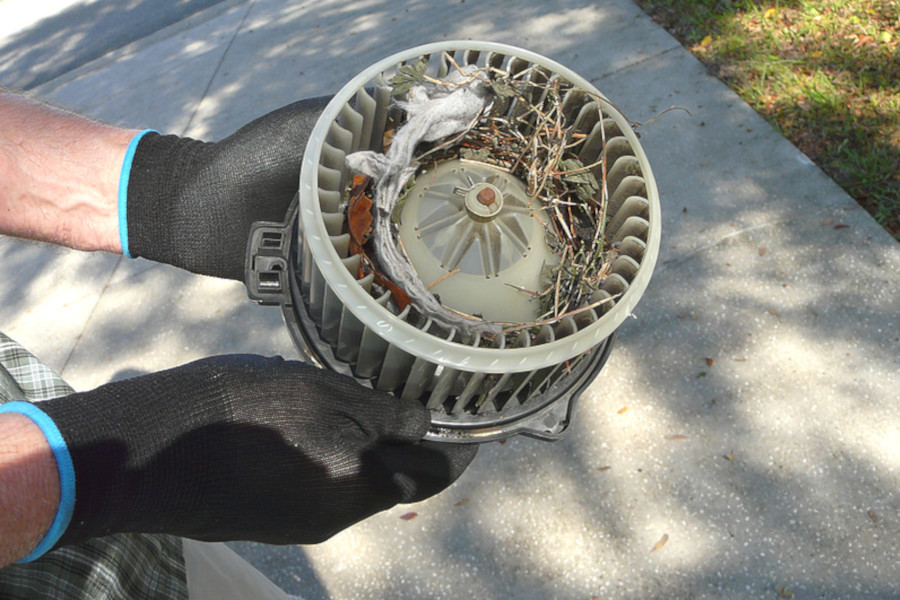
Speaking of surprises, I once lifted a customer’s hood to find a family of field mice had built an elaborate nest atop the air filter housing, complete with acorn storage. The customer wondered why her car had been running rough – turns out mice don’t make great air filters! We relocated the furry tenants safely and installed a new filter.
Regular oil changes with a trusted mechanic aren’t just maintenance – they’re preventive healthcare for your vehicle’s heart.
by Admin | Sep 5, 2025 | Car Blog, Tires
After thirty years working under the hood, I’ve learned that choosing the right tires for your SUV doesn’t have to break the bank – but understanding your options makes all the difference. Let me walk you through three solid choices that I regularly recommend to customers, each serving different needs and budgets.
Budget-Friendly Choice: General Altimax RT45
For those watching their wallet, the General Altimax RT45 delivers impressive value. These tires typically run $80-$120 per tire and offer decent traction in dry and wet conditions. The rubber compound provides a comfortable, quiet ride that most SUV owners appreciate for daily commuting.
However, don’t expect miracles in snow or off-road conditions. The tread pattern isn’t aggressive enough for serious winter driving, and the sidewall construction, while adequate, won’t handle heavy loads as confidently as pricier options. You’ll also see faster wear if you frequently carry cargo or tow trailers.
Mid-Range Champion: Michelin CrossClimate 2
Stepping up to the $150-$200 range, the Michelin CrossClimate 2 represents the sweet spot for most SUV owners. These all-season tires excel in versatility, handling everything from summer heat to light snow with confidence. The advanced tread design provides excellent wet-weather grip, while the reinforced construction delivers solid durability.
The main drawback? They’re not specialists. While good at everything, they won’t match dedicated summer tires for performance or winter tires for serious snow conditions.
Premium Performance: Continental TerrainContact A/T
For $200-$300 per tire, the Continental TerrainContact A/T is my go-to recommendation for SUV owners who need maximum capability. These tires handle highway driving beautifully while maintaining serious off-road credentials. The robust sidewall construction resists punctures, and the aggressive tread pattern provides excellent traction on varied terrain.
The trade-offs include higher road noise and slightly reduced fuel economy compared to highway-focused tires. They’re also overkill if you never leave paved roads.
Remember, the “best” tire depends entirely on how you use your SUV. Consider your driving habits, local weather conditions, and budget – then we can find the perfect match for your needs.

by Admin | Aug 5, 2025 | Car Blog
Is repairing your vehicle yourself the best choice? Or should you always take it to the mechanic? Which way is the best for you and your car? Let’s look at some of the benefits of DIY car repair and maintenance.
Safety and Liability
Would you trust a repair person to replace your brakes if they did this job only once every four years?
You’re going to put your life and the life of your family at risk for saving a $100? That’s not such a good idea. Whenever the repair is safety related, absolutely have the mechanic do it. That mechanic replaces these things every day. Put your trust in the expert and stay safe.
Where You Can Save Money
Some maintenance jobs are super simple. For jobs like an oil change or changing a sparkplug, there isn’t much that can go wrong. Although, if you don’t put the oil pan back on correctly and that nut is put on cockeyed, you’re probably going to create an expensive problem that needs to be handled before the next oil change. How much are you saving, $20? Leave it to the mechanic.
Things like adding air to the tire and checking your fluid levels can and should be done all the time by the vehicle owner. When you find you’re needing air in a tire more than once between oil changes you’ll need a mechanic to inspect the tire and patch the leak.
When You Need a Mechanic
You need to take your vehicle to a mechanic for any repair, maintenance or upgrade task. The mechanic will get it done right, has the equipment to do it quickly and can dispose of fluids and parts legally.
Sure, maybe you know how to change the oil. But when you can spend $80 and your mechanic gets it done fast, why spend your Saturday afternoon doing it? You still need to legally dispose of the oil, which is expensive. And you run the risk of putting a bolt on wrong or worse. Additionally, you get oil all over yourself and your driveway.
Leave It To the Pro
You aren’t saving enough money to pay for your time. It is better to do something fun with your family while your mechanic does the repair. Your mechanic will also spot big problems on the horizon and fix them before you risk injury. It’s always more practical to take your vehicle to a good mechanic, like A1 Performance Auto Repair.