
by Admin | May 5, 2025 | Car Blog
Hundreds of customers were falsely accused of stealing the vehicle they rented by the rental car giant Hertz. Innocent customers were sometimes arrested and imprisoned on these bogus charges. This continued for three years.
The Unimaginable – Erroneous Car Theft Charges
How does this happen? Surely, Hertz doesn’t intentionally target their own customers randomly just for fun. But to the victims, it probably seemed that way.
The fact of the matter is that Hertz did report more than 364 cars stolen that their customers legally rented at one of their car rental businesses or kiosks. These were uneventful rental contracts.
However, there were numerous flaws in the recordkeeping at the company.
- Failure to record rental contract time extensions.
- Falsely claiming that customers had not paid.
- Failed to track their own vehicle inventory.
- Failed to admit and correct the false reports to police.
How It Went Down for Customers
It went well-beyond just being pulled over, showing their rental contract and being sent on their way. Some customers were held at gunpoint – police thought they had a car thief in custody! Some car theives work in auto rings that have a chop shop to sell parts on the black market.
Other Hertz customers were not so lucky. They did time in jail or prison due to the company’s sloppy recordkeeping and almost criminal lack of regard for them when they falsely reported the vehicles as stolen.
Imagine dropping off your car at the appointment drop off point on time as instructed, only to be pulled over months later. You’re thrown on the hood of your car and held at gun point. You’re booked at the local jail and later tried and convicted for vehicle theft. You spend time in prison until your lawyer can figure out a way to prove your innocence.
How It Ended
You can bet people sued!
In one lawsuit in 2022, Hertz settled with 364 randomly accused customers for $168 million. There were other lawsuits, as well.
The lesson learned is this: Be sure to choose your car rental company very wisely!
by Admin | Oct 5, 2024 | Auto Care Blog, Car Blog
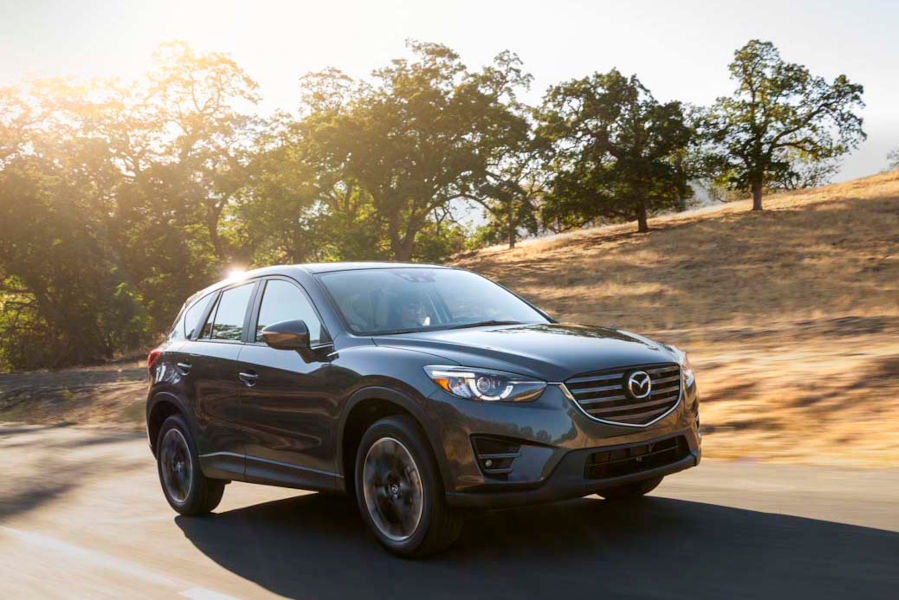
The recent warnings from Ford and Mazda about dangerous Takata airbag inflators in older vehicles have understandably caused concern among many car owners. And rightly so.
While the issue is serious, it doesn’t necessarily mean you should rush to trade in your trusty old car for a shiny new model.
Not All Old Cars are Affected
First, it’s important to understand that the Takata airbag recall, while extensive, affects specific makes and models. If your vehicle isn’t on the list, there’s no need to panic. Even if it is, the solution isn’t necessarily to buy a new car – it’s to get the necessary repairs done.
We’ve always told our customers that regular maintenance is the unsung hero of vehicle longevity and safety.
By keeping up with scheduled services and addressing issues promptly, you can often extend the life of your car well beyond what you might expect. This not only saves you money in the long run but also ensures your vehicle remains safe to drive.
Consider this: A well-maintained older car can often be safer and more reliable than a newer car that’s been neglected. The key is staying on top of recalls, service schedules, and any emerging issues. This proactive approach allows you to address potential problems before they become dangerous or expensive.
Staying On Top Of Recalls
The Takata airbag recall serves as a crucial reminder of the importance of staying informed about your vehicle’s status.
Regularly check for recalls using your Vehicle Identification Number (VIN) on the NHTSA website. If your car is affected, don’t ignore it – schedule the necessary repairs immediately.
Remember, car manufacturers are required to provide these recall repairs free of charge. In the case of the Takata recall, many companies are even offering additional services like free towing or loaner vehicles to make the process as convenient as possible for owners.
With proper care and attention, your older car can continue to serve you safely and reliably for years to come.
After all, the best car is often the one you already own – especially when it’s well-maintained. We at A1 Performance Auto Repair will help you keep it well maintained.
by Admin | Sep 20, 2024 | Car Blog, Used Cars
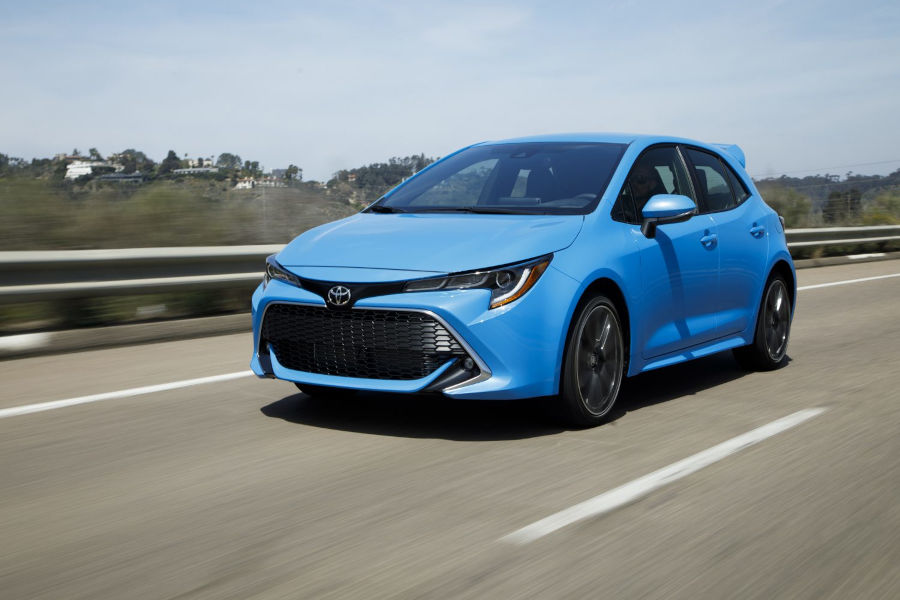
Chances are you’ve been trying to get rid of your old car. But come to think of it, you may be better off holding onto it for a little longer, or even longer as things appear.
Could there be solid reasons why holding onto your trusty old vehicle is the wisest financial decision you make this year?
1. Growing Inventory and Incentives
With vehicle inventory levels on the rise and automakers offering more incentives, it’s tempting to think now is the time to buy.
However, this trend suggests that car prices may continue to drop. By waiting, you could potentially get an even better deal in the future.
2. Economic Uncertainty
The economy is in flux, with interest rates and the upcoming U.S. presidential election adding to the unpredictability.
In times of economic uncertainty, it’s often prudent to avoid major purchases and stick with what you know – your reliable old car.
3. Shifting Sales Patterns
The growth in auto sales is primarily coming from commercial rather than consumer sales.
This shift could mean that the best deals and attention from dealerships might not be focused on individual buyers like you.
4. Potential Market Slowdown
Industry experts are predicting a slowdown in sales growth for the latter half of the year. This could lead to even better deals for consumers in the future, rewarding those who wait.
5. End of the Seller’s Market
As we bid farewell to the seller’s market of the past four years, dealerships are likely to see reduced profitability.
This transition period might not be the ideal time to make a major purchase, as dealerships adjust their strategies.
6. Familiarity and Reliability
You know your old car’s quirks and maintenance history. A new vehicle comes with unknowns and potential issues.
By holding onto your old vehicle a bit longer, you’re positioning yourself to potentially get a better deal in the future while maintaining financial stability in an uncertain economic climate.
Sometimes, the best move is to stay put and let the market settle before making a big decision.
by Admin | Sep 5, 2024 | Auto Care Blog, Car Blog
Americans have long had a love affair with big, powerful vehicles.
From muscle cars to SUVs and pickup trucks, the U.S. automotive landscape has been dominated by larger-than-life machines for decades.
But as we face the realities of climate change and the transition to electric vehicles, is it time for a change of heart?
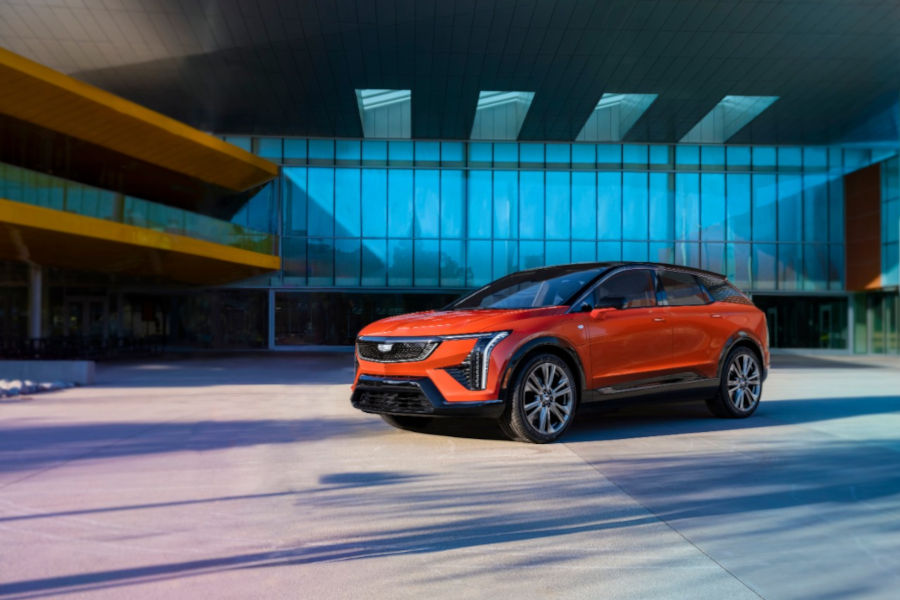
Ford CEO Jim Farley recently made waves by suggesting that Americans need to “get back in love” with smaller cars. He argues that the current infatuation with “monster vehicles” is unsustainable, especially as we move towards widespread EV adoption.
The average weight of new vehicles sold in the U.S. has ballooned to 4,329 pounds in 2023, a staggering 1,000-pound increase since 1980.
But can Americans really let go of their big car obsession?
History shows it’s possible. Let’s not forget the immense popularity of the Volkswagen Beetle in the 1960s and 70s. This compact, efficient car captured the hearts of many Americans, proving that smaller vehicles can indeed find a place in the U.S. market.
The shift towards smaller cars isn’t just about changing preferences – it’s becoming an economic necessity.
Farley points out that enormous EVs with massive battery packs will struggle to be profitable or affordable. The future of accessible electric vehicles lies in more compact, efficient designs.
As we face the challenges of climate change and the need for sustainable transportation, perhaps it’s time for a cultural shift. The American dream of the open road doesn’t have to die – it just might need to downsize a bit.
Smaller cars can still offer freedom, style, and driving pleasure, all while being kinder to our wallets and the planet.
The transition won’t be easy, but with innovative designs, smart marketing, and a focus on the benefits of smaller vehicles, it’s possible that Americans could fall in love with compact cars all over again. After all, good things often come in small packages.
by Admin | Mar 5, 2024 | Car Blog, Why Keep Your Old Car
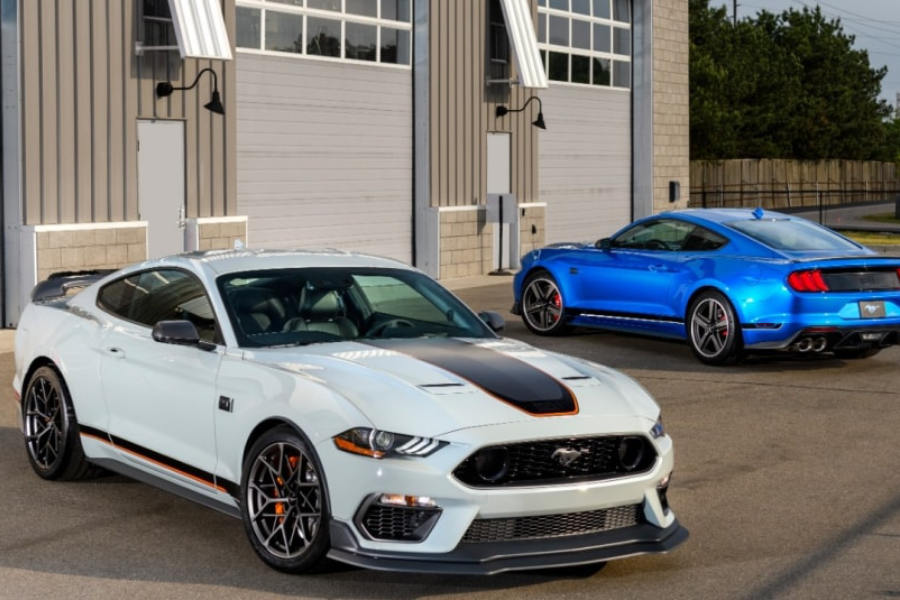
According to psychologists, our brains are wired for novelty. New things trigger the release of dopamine, a hormone associated with pleasure and reward.
Seeing a sleek, shiny car activates this reward system, making us feel excited and motivated to possess it. But for how long?
Well, your brain eventually adapts to the new stimuli and the initial excitement fades away.
So, is the excitement worth it, especially when it comes at such a high cost to your finances and when things are tough?
Freedom From Financial Pits
Imagine cruising down open roads in your reliable used car, paid for upfront. No payments dragging you down in the slow lane surrounded by folks regretting their loan decisions later.
Owning a practical relic like a 2004 Honda Civic outright keeps your options wide open. You can switch jobs more freely without worrying about your wheels getting repossessed. And no monthly millstone means you’ll pay off student loans post-college quicker, instead of that albatross strangling your flexibility for a decade-plus.
Sure, you occasionally envy their smooth-riding suspension and cutting-edge dash displays, while your wheels groan and the radio glitches. But any jealous skids vanish quickly when you remember the freedom of owning your transportation outright.
Hitting the road packed with laughing buddies for a crosstown concert sparks joy money can’t buy – and no loan officer can take away because you were smart enough to reject the shackles of debt.
As gas prices surge, you smile cruising right past stations, knowing no payments inflate your costs. Your used Civic has another 10 years left, minimum. And the savings compound as you invest wisely instead of pumping over $500 monthly to boost bankers’ pockets.
Getting tied down with a car loan really kicks you in the teeth long-term. Don’t swallow incentives that ultimately consume your dreams! Buy used, avoid debt, and you’ll stay securely in the driver’s seat of your financial destiny. The open road awaits!
by Admin | Feb 20, 2024 | Car Blog, Dodge, Minivans, Vans
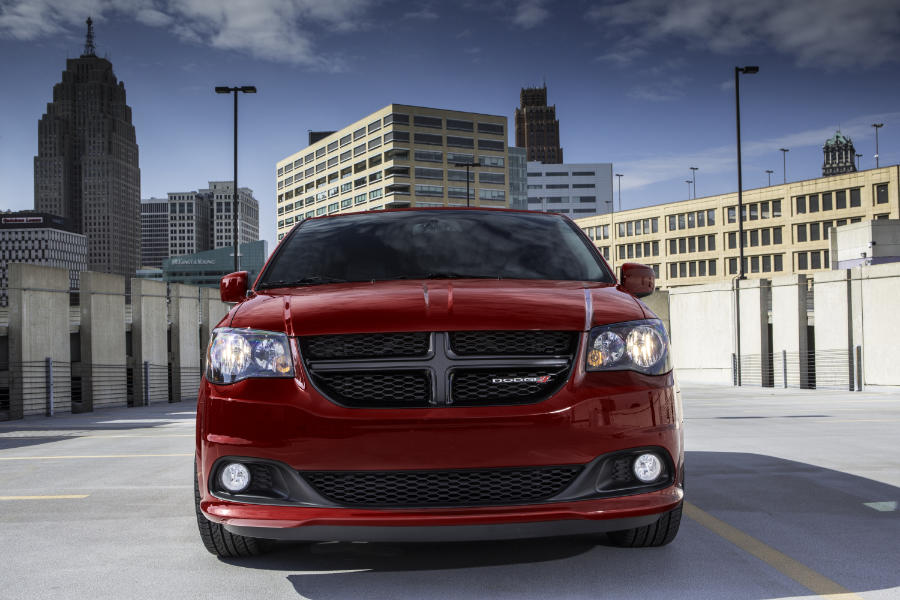
“Van living” or “van life” is an emerging trend that has been growing in popularity around the US. Yahoo Finance estimates that the number of vanlifers has grown by at least 63% over the last handful of years.
It appears more folks are turning vans or buses into tiny homes on wheels and hitting the road full time. Thanks to social media, #vanlife looks idyllic – but who wouldn’t want to wake up to mountain views every morning! It’s dreamy!
But is this barebones, mobile lifestyle truly sustainable for the planet?
Evaluating the Eco-Scorecard
On one hand, van lifers consume way fewer resources. Small spaces mean limited energy for heating and cooling. Rooftop solar panels provide electricity and water tanks get refilled only when needed.
This lightweight living uses a fraction of what the average American home gulps down. A vanlifer rarely spends similar amounts as living in an apartment.
Typical expenses of a vanlifer would include groceries, gas, laundry and sometimes, gym memberships to access the showers. A 300-watt solar panel can power a rice cooker, toaster oven, coffee pot, toothbrush, laptop, cellphone and electric shaver, among other equipment.
The van is a tiny home, and you’ll not be needing to heat or cool a big place. That means less carbon footprint than most people.
But many older vans guzzle gas, especially lumbering around all day seeking boondocking sites. Newer conversions to high-mpg hybrids or electric help, but aren’t the norm yet. And even eco-vans still require manufacturing and materials. Don’t they?
The Takeaway
While not 100% green, van living reflects growing anti-consumerism sentiment. Trading McMansions for just the essentials of a modest mobile pod reduces waste.
But this unicorn of sustainability still has some warts. For now, #vanlife lands somewhere in the middle on the eco-scorecard. At least nomads are driving in the right direction – literally and philosophically!