by Admin | Dec 20, 2025 | Electric Cars, Toyota, Used Cars
The federal tax incentive that has helped make electric vehicles more affordable for American buyers was eliminated on September 30, 2025. Governor Newsom has confirmed that California won’t be replacing this credit that was helpful to consumers and EV sellers. The $7,500 tax credit has been a cornerstone of EV adoption since its introduction, but its removal is sending shockwaves through the automotive industry.
Additionally, The New Clean Vehicle Credit, Previously-Owned Clean Vehicle Credit and Qualified Commercial Clean Vehicle Credit will not be available for vehicles purchased after September 30, 2025. Speak with your tax preparer, if this affects your tax filing.
How Automakers Will Respond to Lost Incentives
The elimination of the $7,500 tax credit puts significant pressure on automakers who have invested billions in electric vehicle development. Without this incentive, EVs become substantially more expensive compared to their gas-powered counterparts, potentially slowing the momentum of the industry’s electric transition. Manufacturers may be forced to reduce vehicle prices to remain competitive, cutting into already thin profit margins on EVs. Some brands might scale back production plans or delay new model launches until battery costs decrease naturally. Legacy automakers who recently committed to electric lineups face particularly difficult decisions about their investment strategies.
What This Means for EV Sales and Buyers
The immediate impact on consumers is clear: electric vehicles will effectively cost $7,500 more without the federal incentive. This price increase could push many budget-conscious buyers back toward traditional gasoline vehicles or hybrids. Industry analysts predict EV sales growth could slow significantly, potentially reversing years of steady adoption gains. However, this change might also accelerate innovation as manufacturers seek ways to produce more affordable electric vehicles without government support.
For buyers considering an EV purchase, keep an eye on advertisements on manufacturers websites. You might benefit as automakers potentially lower prices to maintain market share.
At A1 Performance Auto Repair, we’ll continue servicing all vehicle types as the market evolves.

by Admin | Dec 5, 2025 | Used Cars, Why Keep Your Old Car
The used car market is experiencing unusual volatility. Many buyers are wondering if the time is right to purchase a car or if waiting might yield better deals. With seemingly random tariffs affecting automotive imports and manufacturing costs, the relationship between new and used car pricing has become complicated.
Tariffs Drive New Car Prices Higher
Recent tariffs on imported vehicles and automotive parts have created a ripple effect throughout the new car market. Manufacturers are passing these increased costs on to consumers, with some new vehicles seeing price increases of several thousands of dollars.
Even domestic brands aren’t immune, as many rely on imported components for assembly. These elevated new car prices create a cascading effect on the entire automotive market. When new vehicles become less affordable, demand shifts to the used market, which traditionally drives used car values higher. However, this dynamic is complicated by other factors including inventory levels, interest rates, and consumer confidence.
The Case for Buying Now Versus Waiting
The decision to buy now or later depends on your specific situation and market timing. Buying now makes sense if you need reliable transportation immediately, if your car needs a now extremely expensive repair or if you find a well-maintained vehicle at a fair price.
Used car values remain elevated due to sustained new car prices, but waiting carries risks. If tariffs persist or expand, new car prices could climb even higher, further inflating used car values. Additionally, the specific vehicle you want today might not be available later. However, waiting could benefit buyers if tariff policies change or if manufacturers find ways to absorb costs. The used market may also see increased inventory as lease returns accelerate. At A1 Performance Auto Repair, we recommend getting a pre-purchase inspection regardless of timing to ensure you’re making a sound investment.

by Admin | Nov 5, 2025 | Diagnose Car Problems, Used Cars
When you’re shopping for a used car you need to use care in checking it out thoroughly before making your purchase decision. One of the most valuable investments you can make is a pre-purchase inspection, which can save thousands of dollars in unexpected repairs later. While sellers often present vehicles in their best light, a comprehensive inspection reveals the truth about the condition of a vehicle.
What is a Pre-Purchase Inspection?
A professional pre-purchase inspection examines components and systems that aren’t apparent during a standard test drive. This thorough evaluation provides buyers with critical information about the vehicle’s actual condition and potential future repair needs.
Typically, in a pre-purchase inspection, the auto mechanic will focus on areas that commonly cause costly problems. Oil leaks represent a significant concern, as they can indicate worn seals, gaskets, or other engine components. There are inspections of the valve covers, oil pan, and transmission for signs of current or developing leaks that may not be visible to the untrained eye.
Suspension system evaluation is another critical component of the inspection process. Worn struts and shock absorbers affect both vehicle safety and ride quality. So, the assessment includes testing the suspension’s response and checking for signs of wear or damage that might need immediate attention.
Electrical system diagnostics often reveal hidden problems. Modern vehicles rely heavily on software-controlled systems, so electrical and software issues can lead to significant repair costs. So, a pre-purchase inspection includes alternator testing, battery evaluation and computer system scanning for stored error codes.
Timing belt inspection is particularly important for vehicles because this failure can result in catastrophic engine damage, so this is also included.
Brake system evaluation is far more in depth than pedal feel during a test drive. A professional inspection includes measuring rotor thickness, checking brake line condition, and assessing overall brake component wear. Early detection of brake system issues prevents safety concerns and helps budget for necessary maintenance.
A thorough pre-purchase inspection provides valuable negotiating leverage. Documented issues discovered during the inspection can justify price adjustments or help buyers make informed decisions about whether to proceed with the purchase. The inspection cost often pays for itself through avoided problems.
Purchasing a used vehicle without professional inspection is leaving yourself open to significant financial risk. A comprehensive evaluation by a qualified mechanic protects you from unexpected repair expenses and ensures you understand the true condition of this vehicle.
If you are thinking about purchasing a particular car, ask us about a pre-purchase inspection so you can discover if it is everything you think it is.
by Admin | Sep 20, 2024 | Car Blog, Used Cars
Chances are you’ve been trying to get rid of your old car. But come to think of it, you may be better off holding onto it for a little longer, or even longer as things appear.
Could there be solid reasons why holding onto your trusty old vehicle is the wisest financial decision you make this year?
1. Growing Inventory and Incentives
With vehicle inventory levels on the rise and automakers offering more incentives, it’s tempting to think now is the time to buy.
However, this trend suggests that car prices may continue to drop. By waiting, you could potentially get an even better deal in the future.
2. Economic Uncertainty
The economy is in flux, with interest rates and the upcoming U.S. presidential election adding to the unpredictability.
In times of economic uncertainty, it’s often prudent to avoid major purchases and stick with what you know – your reliable old car.
3. Shifting Sales Patterns
The growth in auto sales is primarily coming from commercial rather than consumer sales.
This shift could mean that the best deals and attention from dealerships might not be focused on individual buyers like you.
4. Potential Market Slowdown
Industry experts are predicting a slowdown in sales growth for the latter half of the year. This could lead to even better deals for consumers in the future, rewarding those who wait.
5. End of the Seller’s Market
As we bid farewell to the seller’s market of the past four years, dealerships are likely to see reduced profitability.
This transition period might not be the ideal time to make a major purchase, as dealerships adjust their strategies.
6. Familiarity and Reliability
You know your old car’s quirks and maintenance history. A new vehicle comes with unknowns and potential issues.
By holding onto your old vehicle a bit longer, you’re positioning yourself to potentially get a better deal in the future while maintaining financial stability in an uncertain economic climate.
Sometimes, the best move is to stay put and let the market settle before making a big decision.
by Admin | Aug 5, 2024 | Used Cars
Someone joked that modern vehicles are coming with huge attitudes. You don’t park them well, and they guilt trip you! Blame those that are making them smarter!
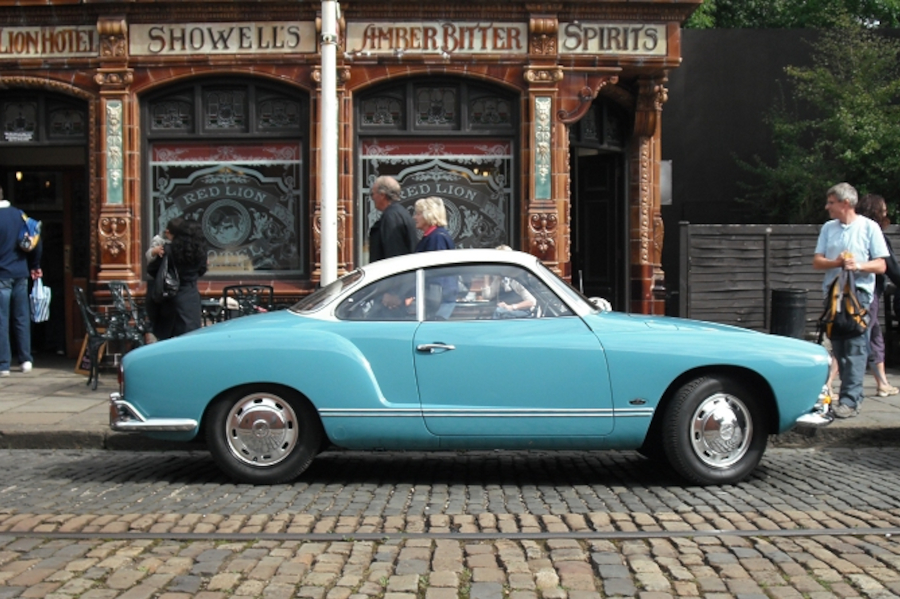
They don’t make them like they used to – work of art, reliable and more importantly, sentimental. When you think about it, there’s gold in simplicity.
An old car is a story waiting to be told and shouldn’t be rushed to the scrapyard.
Did you know that restoring your old car can open doors to a vibrant community and a wealth of social benefits?
Joining Classic Car Clubs
We’re social creatures, but opportunities to socialize have dwindled as our lives have become busier.
Perhaps we now worry more about physical conveniences than building meaningful connections with others. That’s where your old car comes to the rescue.
Your old car provides opportunities to immerse in the classic car culture by joining a classic car club. These clubs are havens for like-minded individuals who have a shared love for an oldie like yours.
Members range from seasoned restorers with years of experience to newcomers eager to learn the ropes. By joining a club, you gain access to a wealth of knowledge and resources that can make your restoration journey smoother and more enjoyable.
Classic car clubs often organize regular meet-ups where members can showcase their cars, share stories, and offer advice. These gatherings are perfect for building friendships and learning from others.
You’ll find that the camaraderie and support within these clubs are invaluable, especially when you encounter challenges with your restoration project.
Attending Classic Car Events
Classic car events and shows are another fantastic way to connect with the classic car community. These events bring together enthusiasts from all walks of life, creating an atmosphere of celebration and appreciation for automotive history.
At these events, you’ll have the opportunity to participate in competitions, join workshops, and attend seminars.
These activities enhance your knowledge and provide a platform to showcase your work and gain recognition for your efforts.
by Admin | Jan 20, 2024 | Car Blog, Ford F-150, Used Cars
While we all love that “new car” smell and feel, buying a new set of wheels right now is a big expense. Bigger than ever! You see, interest rates are soaring, and it’s almost like the sky’s the limit in this economic time.
So, is there a way around the 14% interest for 60 months for a new ride when you don’t have that 825 FICO score? We tend to look at what we don’t have and not the treasure that’s already in our hands.
What’s this obsession with hoarding the new shiny?
Did you know that working on your current ride is like starting from a position of strength?
There are inexpensive DIY add-ons you can install to make your used car feel new and updated. And with a little creativity and elbow grease, you can upgrade your existing vehicle’s look, comfort, tech, and convenience right in your garage.
Interior LED Lights
Swapping out standard bulb lighting with battery-powered removable LED stick-on lights illuminates the cabin with a fresh modern glow. Use them to see passengers, items, and awkward corners better at night. There are options for colorful ambient lighting too.
Seat Covers
Dingy upholstery gets new life with the addition of cushy seat pads and breathable, protective seat covers. Choose patterns and materials that upgrade your interior’s look. Enjoy a refreshed seating experience, and the driving becomes enjoyable as well.
Decorative Chrome Accents
Peel-and-stick trims can chrome out vents, handles, knobs, and gauges on the cheap. It’s an easy way to modernize the aesthetic.
More ideas cover things like hands-free phone holders, backup cameras for safety, custom-fit floor mats, mini vacuums, Bluetooth music adapters, and exterior detailing. With small upgrades like these, older cars gain significant style and function. The journey feels as good as the destination!
Need help with upgrading or maintenance of your trusty ride? We can help. Contact us at A1 Performance Auto Repair, and we’ll give your car the TLC it deserves.